Home Garden Guide: Creating a Thriving Outdoor Space
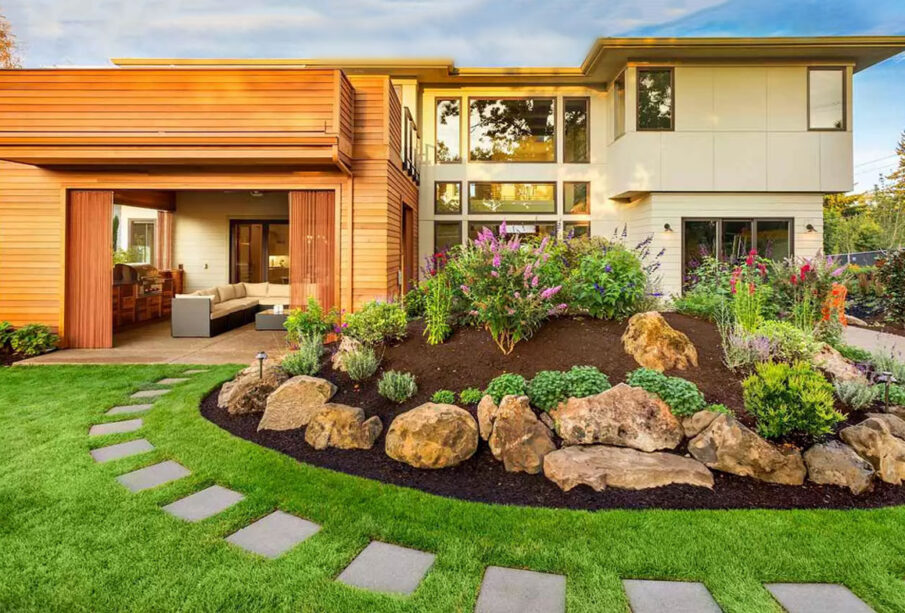
Transforming your outdoor area into a functional and beautiful home garden is more than just planting flowers or growing vegetables. A well-designed garden can improve mental health, add value to your property, provide fresh produce, and create a serene environment for family and friends. If you’ve ever considered building your own home garden, this guide will walk you through everything you need to know to create, maintain, and enjoy it.
Why a Home Garden Matters
A home garden is not simply a decorative feature; it offers countless benefits that directly influence lifestyle and wellbeing.
-
Health Benefits: Gardening is a form of light exercise that reduces stress, improves mood, and encourages time outdoors.
-
Sustainability: Growing your own fruits and vegetables reduces reliance on shop-bought produce and lowers your carbon footprint.
-
Financial Savings: Home-grown herbs, salads, and seasonal crops cut grocery bills significantly.
-
Biodiversity: A garden attracts bees, butterflies, and birds, creating a balanced ecosystem.
-
Aesthetic Value: Thoughtful landscaping boosts curb appeal and property value.
Planning Your Home Garden
Before planting, it’s essential to design your garden with purpose. Poor planning often results in wasted space or struggling plants.
Assessing Your Space
-
Size of the Garden: Even a small balcony can be turned into a thriving home garden with pots and vertical gardening.
-
Sunlight Availability: Observe how much sunlight different sections receive daily. Vegetables like tomatoes and peppers need at least 6 hours, while leafy greens thrive in partial shade.
-
Soil Quality: Test your soil’s pH and nutrient content. Improving it with compost or organic fertiliser ensures long-term fertility.
-
Drainage: Avoid waterlogged areas by building raised beds or using containers.
Setting Goals
Ask yourself what you want from your garden:
-
Do you prefer a vegetable and herb garden for cooking?
-
Would you like a flower garden to enhance visual appeal?
-
Are you interested in creating a wildlife-friendly space with native plants and pollinator habitats?
Choosing Plants for Your Garden
Edible Plants
-
Vegetables: Tomatoes, lettuce, spinach, beans, courgettes, and carrots are beginner-friendly.
-
Herbs: Basil, mint, rosemary, thyme, and coriander thrive in pots and require little maintenance.
-
Fruits: Strawberries, raspberries, apple trees, and citrus in pots add sweetness to your garden.
Ornamental Plants
-
Perennials: Lavender, roses, hydrangeas, and hostas add long-lasting beauty.
-
Annuals: Marigolds, petunias, and pansies provide seasonal colour bursts.
-
Shrubs and Trees: Choose native species to encourage wildlife and reduce maintenance.
Companion Planting
Certain plants grow better when placed together. For example:
-
Basil next to tomatoes enhances flavour and repels pests.
-
Carrots and onions deter each other’s common insects.
-
Marigolds repel nematodes and protect vegetables.
Garden Layout and Design Tips
-
Raised Beds: Ideal for vegetables, they improve drainage and make gardening easier on your back.
-
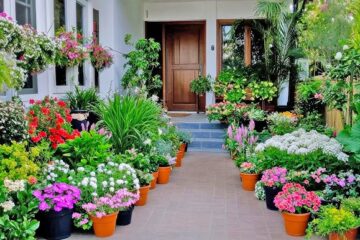
Container Gardening: Perfect for small spaces and patios; portable and flexible.
-
Vertical Gardening: Trellises, hanging baskets, and wall planters maximise limited space.
-
Pathways: Stone or gravel paths prevent soil compaction and make your garden more inviting.
-
Seating Areas: Incorporating a bench or garden swing transforms your space into a relaxation zone.
Seasonal Gardening Guide
Spring
-
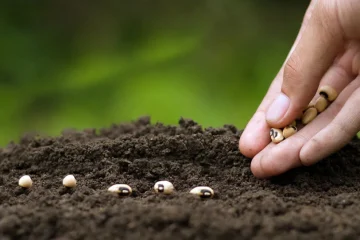
Start seeds indoors for tomatoes, peppers, and herbs.
-
Plant hardy greens like lettuce and kale.
-
Prepare soil with compost.
Summer
-
Harvest strawberries, courgettes, and beans.
-
Water deeply during dry spells.
-
Deadhead flowers to encourage new blooms.
Autumn
-
Plant garlic, onions, and winter greens.
-
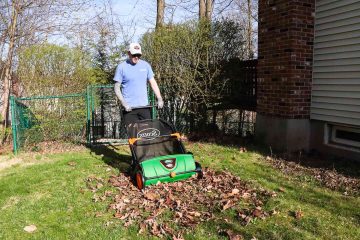
Rake leaves and turn them into compost.
-
Mulch garden beds for insulation.
Winter
-
Protect sensitive plants with covers.
-
Prune dormant trees and shrubs.
-
Plan next year’s garden with seed catalogues.
Maintaining a Healthy Home Garden
-
Watering: Deep, infrequent watering encourages strong root systems.
-
Weeding: Remove weeds regularly to prevent nutrient competition.
-
Fertilising: Use organic compost, liquid seaweed, or slow-release fertilisers.
-
Pruning: Trim plants to maintain shape, encourage growth, and prevent disease.
-
Pest Control: Encourage natural predators like ladybirds, use neem oil sprays, and rotate crops yearly.
Sustainable Practices for Home Gardening
-
Collect rainwater in barrels for irrigation.
-
Compost kitchen scraps and garden waste.
-
Choose native plants that need less water and fertiliser.
-
Avoid synthetic chemicals and adopt organic pest control methods.
-
Plant hedges or shrubs to reduce wind damage and conserve energy.
Incorporating Relaxation into Your Garden
A garden is not only for growing plants but also for enhancing quality of life.
-
Add a small pond or water feature for tranquillity.
-
Install solar-powered garden lights for evening ambience.
-
Create a reading nook with a chair and table under shade.
-
Use natural materials like wood, bamboo, or stone for an eco-friendly look.
Common Mistakes to Avoid
-
Overcrowding plants, which restricts growth.
-
Ignoring soil preparation before planting.
-
Choosing non-native plants that struggle in local climates.
-
Overwatering, leading to root rot.
-
Neglecting regular maintenance, causing pests and diseases to spread.
FAQ Section
How can I start a home garden if I live in a flat with no outdoor space?
You can use balcony pots, windowsill herb planters, and vertical wall gardens. Indoor gardening with grow lights is also effective for herbs and leafy greens.
What is the best low-maintenance garden style?
A perennial-based garden with hardy shrubs, native plants, and mulched beds requires minimal care while still looking attractive year-round.
How do I keep my garden pest-free without chemicals?
Introduce beneficial insects such as ladybirds and lacewings, use netting to protect crops, and apply natural sprays like neem oil or garlic water.
Can I grow vegetables all year round in the UK?
Yes, with proper planning. Hardy crops like kale, spinach, and Brussels sprouts thrive in winter, while greenhouses and polytunnels extend the growing season for tender plants.
What are the easiest vegetables for beginners to grow?
Lettuce, radishes, courgettes, beans, and tomatoes are excellent for first-time gardeners as they grow quickly and require little specialist care.
How do I improve poor soil for gardening?
Add organic matter such as compost, well-rotted manure, or leaf mould. Over time, this enriches the soil, improves structure, and boosts fertility.