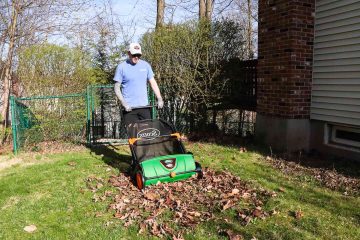
Seasonal Gardening Tasks Every Gardener Needs
Gardening isn’t a one-time effort—it’s a year-round relationship with your soil, plants, and local climate. Each season brings its own priorities, and knowing **what to do—and when to do it—**can be the difference between a struggling garden and a thriving one. This practical guide walks through essential seasonal gardening tasks so you can stay organized, productive, and confident all year long.
Spring Gardening Tasks: Setting the Foundation
Spring is the season of preparation and possibility. What you do now directly affects plant health and yields later.
Key Tasks to Focus On
- Clean up garden beds by removing debris, dead plants, and weeds
- Test and amend soil with compost or organic matter to restore nutrients
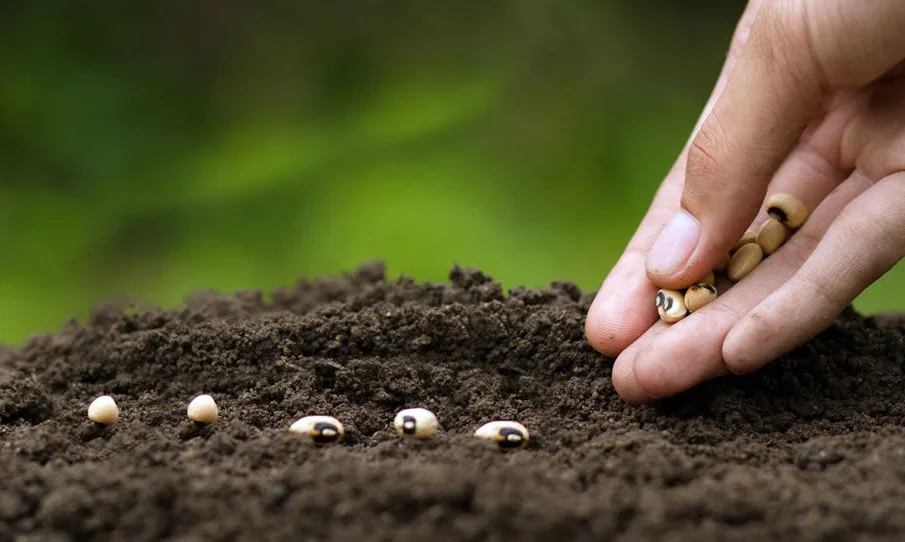
- Start seeds indoors or plant cool-season crops like lettuce and peas
- Prune shrubs and perennials before active growth begins
- Inspect irrigation systems to ensure proper watering as temperatures rise
Spring is also the ideal time to plan crop rotation and spacing, helping reduce pests and soil depletion later in the year.
Summer Gardening Tasks: Maintenance and Monitoring
Summer gardening is about consistency. Plants grow quickly now, and small issues can escalate fast if ignored.
Essential Summer Duties
- Water deeply and early to minimize evaporation and stress
- Mulch garden beds to retain moisture and regulate soil temperature
- Monitor pests and diseases and address problems promptly
- Harvest regularly to encourage continuous production
- Provide support for climbing plants like tomatoes and beans
Staying attentive during summer prevents burnout—for both you and your garden.
Fall Gardening Tasks: Preparing for Rest
Fall is often underestimated, but it’s one of the most important seasons for long-term garden health.
Important Fall Activities
- Remove spent plants and diseased foliage
- Plant bulbs and perennials for early spring blooms
- Add compost or manure to enrich soil over winter
- Cover bare soil with mulch or cover crops
- Clean and store tools to extend their lifespan
Fall gardening reduces winter problems and gives you a head start when spring returns.
Winter Gardening Tasks: Planning and Protection
Even when growth slows, your garden still needs attention—just in a quieter way.
What to Do in Winter
- Protect vulnerable plants with frost cloth or mulch
- Prune dormant trees where appropriate
- Plan next year’s garden layout and order seeds early
- Maintain tools by sharpening and oiling them
- Grow indoors with herbs or microgreens for fresh harvests
Winter is your chance to reflect, learn, and prepare without pressure.
Why Seasonal Gardening Matters
Following seasonal gardening tasks helps you:
- Work with nature instead of against it
- Reduce pests and plant stress
- Improve soil fertility year after year
- Save time by doing the right task at the right moment
Gardening becomes simpler—and more enjoyable—when you align your efforts with the seasons.
Frequently Asked Questions (FAQs)
1. How do I adjust seasonal gardening tasks for my climate?
Local frost dates, rainfall, and temperatures matter more than the calendar. Use regional planting guides and observe your garden’s patterns each year.
2. Can I garden year-round in containers?
Yes. Containers offer flexibility and can be moved indoors or sheltered during extreme weather, making them ideal for year-round growing.
3. What’s the biggest mistake gardeners make with seasonal tasks?
Doing things too early or too late. Timing—especially with pruning and planting—is critical for plant health.
4. Are seasonal gardening tasks different for flowers and vegetables?
The core tasks are similar, but vegetables often require more frequent harvesting and feeding, while flowers focus more on pruning and deadheading.
5. How much time should I spend on gardening each season?
It varies, but consistent short sessions (15–30 minutes) are often more effective than occasional long ones.
6. Do I need special tools for different seasons?
Not many. A few quality basics—pruners, gloves, trowel, and rake—work year-round with proper care.
7. Is it okay to skip a season if I’m busy?
Skipping tasks can lead to more work later. Even minimal maintenance helps prevent bigger problems down the line.