The Importance of Seasonal Gardening for Maintaining Year-Round Plant Growth
Every spring, garden centers across the country witness the same predictable spectacle. Eager homeowners crowd the aisles, loading carts with flats of bright petunias, tender heirloom tomato starts, and bags of potting mix. For the next eight weeks, backyards buzz with frantic activity as beds are dug, seeds are scattered, and stakes are driven into the earth. Yet by mid-August, when the heat peaks and weeds invade, enthusiasm frequently wanes. By October, those once-vibrant plots sit neglected, reduced to brown stalks and compacted dirt waiting for the following spring.
This boom-and-bust cycle is the hallmark of the single-season mindset. Treating gardening as an isolated late-spring hobby overlooks the biological reality of the natural world: plant growth is an unbroken continuum, not a temporary summer event. Practicing true seasonal gardening means aligning your outdoor space with the rhythm of the entire calendar year. By rotating crops, working with ambient temperature swings, and adapting your management practices to each phase of the sun, you transform your backyard from a short-lived harvest sprint into a resilient, self-sustaining ecosystem that thrives through every month of the year.
The Flaw of the Single-Season Mindset
The primary problem with confining garden activity to the warm summer months is that it leaves both the gardener and the soil vulnerable to exhaustion. When a bed is planted all at once in May and stripped clean by September, the earth is subjected to acute mechanical disturbance followed by prolonged neglect.
During the active months, plants compete furiously for the same localized nutrients. Once the season terminates, the land is typically cleared and left exposed to harsh winter elements. Without active root systems holding the soil aggregates together, heavy winter rains wash away valuable topsoil, while freezing winds pull moisture from the subsoil.
Embracing seasonal gardening dismantles this pattern. It recognizes that winter and autumn are not periods of dead space, but vital windows of subterranean renewal, root establishment, and quiet productivity. Rather than fighting natural weather shifts with artificial interventions, the seasonal gardener works with ambient temperatures, shifting daylight patterns, and changing soil chemistry to maintain vitality year-round.
Protecting Soil Biology Through Living Roots
Healthy plant growth above ground is impossible without a thriving biological community below the surface. Soil is not merely an inert medium that holds roots upright; it is a complex web of mycorrhizal fungi, beneficial bacteria, earthworms, and microorganisms. These life-forms depend on the sugars secreted by living roots to survive.
When a plot sits fallow for five or six months during the colder seasons, that underground ecosystem starves. Beneficial microbial populations crash, fungal networks fragment, and the biological momentum built up during the growing season evaporates.
Seasonal gardening keeps living root systems in the ground twelve months a year:
-
Sustained biological feeding: Continuous plantings ensure that mycorrhizal networks remain active, facilitating nutrient exchange deep into the subsoil even in cold weather.
-
Structural soil protection: Winter cover crops and hardy perennials create an unbroken blanket of foliage and root systems, preventing erosion and keeping heavy seasonal rains from compacting delicate topsoil.
-
Nutrient cycling: Deep-rooting seasonal crops pull minerals up from lower soil horizons, storing them in their cellular structures before releasing them back into the topsoil as organic mulch.
By maintaining continuous vegetative cover, you preserve soil tilth and moisture retention, reducing the need for synthetic amendments and intensive mechanical tilling when spring returns.
Orchestrating the Four-Season Planting Calendar
Achieving consistent, year-round vitality requires moving away from the notion of a single planting date. Instead, productive gardeners rely on staggered plantings, crop succession, and deliberate seasonal transitions.
Early Spring and the Art of Succession
Early spring is not simply the prelude to the tomato season; it is a premier growing season in its own right. As soon as the ground can be worked, cold-tolerant crops such as sweet peas, radishes, spinach, and scallions thrive in the cool, moist conditions.
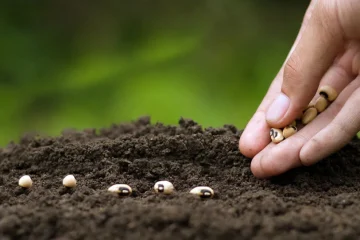
The secret to continuous production during this phase is succession planting. Instead of seeding an entire packet of lettuce at once—which leads to an unmanageable surplus followed by bare ground—sow smaller batches every ten to fourteen days. As the earliest rows finish, the soil is immediately ready to accept warm-season crops without missing a beat.
Summer Management and Midsummer Transitions
Midsummer is often viewed as the peak of the garden, but for the experienced grower, July and August are actually transitional months. While peppers and squash are ripening, high temperatures create stress that can stall vegetative growth. Utilizing thick organic mulches like straw or shredded leaves regulates soil temperature and retains moisture around root zones.
Crucially, midsummer is the mandatory window to plant the autumn and winter garden. Brassicas, root crops, and hearty winter greens must establish strong root systems and substantial leaf mass before daylight hours diminish in the fall. Sowing kale, cabbage, parsnips, and carrots during late summer guarantees robust harvests long after the first killing frost has cleared the summer vines.
Autumn Consolidation and Winter Protection
Autumn is the foundational season for the upcoming year. As cool weather returns, plant sugars concentrate, rendering winter greens like spinach, mâche, and collards sweeter and more cold-tolerant.
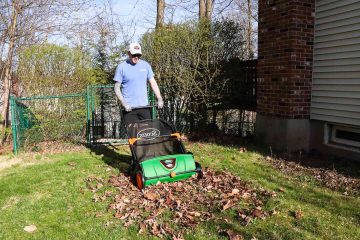
Simultaneously, autumn is the ideal window to establish structural elements. Perennial fruits, native shrubs, and spring-flowering bulbs settle into warm autumn soil with minimal transplant shock, developing extensive root systems throughout the winter while top growth remains dormant.
In beds designated for rest, cold-hardy cover crops like hairy vetch, crimson clover, or winter rye can be sown. These dynamic plants fix atmospheric nitrogen, suppress stubborn cool-season weeds, and build dense organic matter that enriches the bed for subsequent plantings.
Breaking Pest and Pathogen Cycles Naturally
Continuous seasonal cultivation serves as one of the most effective non-chemical strategies for pest and disease management. When a gardener grows the same annual crops in the exact same footprint every summer, insect pests adapt quickly. Parasites and larvae overwinter in the undisturbed topsoil, emerging in late spring precisely when their preferred host plants are reintroduced.
Rotating diverse plant families across spring, summer, fall, and winter breaks these generational cycles:
-
Disrupting specialized pest life cycles: Shifting from heavy-feeding nightshades to leafy brassicas or alliums starves soil-borne insect larvae that require specific chemical signatures to feed.
-
Suppressing soil pathogens: Alternating root crops with fibrous-rooted cover crops prevents fungal diseases, such as root rot and damping-off, from establishing permanent colonies in the soil structure.
-
Supporting beneficial predators: A diverse garden that provides year-round flowers, seed heads, and cover creates a stable habitat for predatory wasps, ladybugs, and ground beetles, keeping pest infestations naturally in check.
Cultivating Long-Term Ecological Resilience
The genuine value of seasonal gardening extends far beyond the satisfaction of harvesting fresh kale in January or crisp snap peas in November. It shifts our perspective from forceful intervention to humble, attentive stewardship.
When you garden with the full arc of the year in mind, you stop treating weather as an adversary to be conquered. You begin to appreciate the restorative stillness of sub-freezing soil, the rapid momentum of spring awakening, and the rich bounty of an unhurried autumn. By keeping the ground perpetually alive, biologically supported, and thoughtfully planted, you create an outdoor space that sustains both the land and the grower, regardless of the season outside.