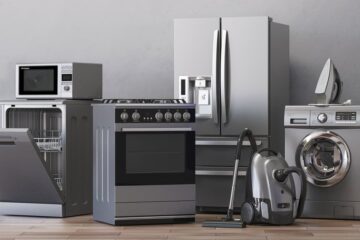
Practical Ways to Reduce Electricity Consumption From Everyday Appliances
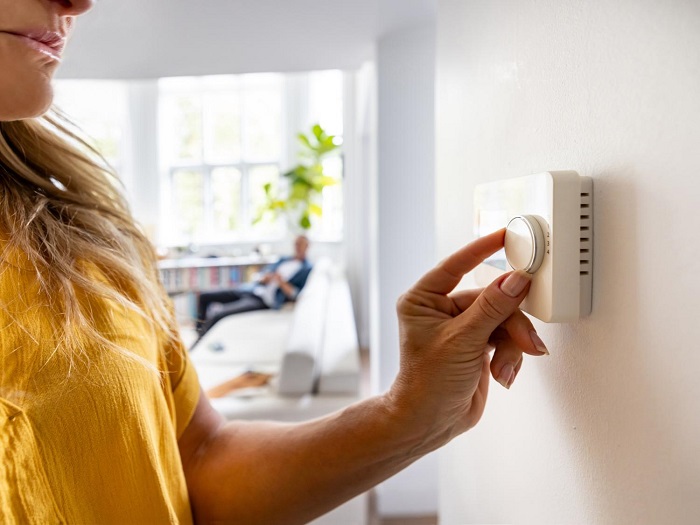
Most utility bills arrive as a single, opaque figure that tells you what you owe without explaining where those kilowatt-hours actually went. Because electricity operates invisibly behind drywall and appliance panels, homeowners often treat power consumption as an unavoidable cost of modern comfort. The natural impulse during high-billing cycles is to obsess over visible habits, like chasing family members out of rooms to flick off LED light switches. Yet lighting accounts for a relatively modest slice of the typical household power budget.
The true culprits behind high electrical bills are major domestic appliances running against hidden mechanical resistance, fighting thermodynamic battles, or silently pulling current while pretending to be asleep. Lowering your household electricity consumption does not require abandoning modern convenience or living by candlelight. Instead, it demands an understanding of how everyday machines draw power and how targeted mechanical adjustments can drastically improve their operational efficiency.
Relieving the Continuous Burden on Refrigeration
No other appliance in your home works with the unrelenting consistency of a refrigerator. Unlike washers or ovens that operate intermittently, your refrigerator compressor runs cyclical shifts around the clock, every day of the year. When this machine encounters internal or external friction, that energy loss multiplies over thousands of operational hours.
The most common point of failure is located out of sight behind or beneath the unit: the condenser coils. Over months of operation, cooling fans pull household dust, pet dander, and kitchen grease across these coils. This debris forms an insulating blanket that traps heat, preventing the refrigerant fluid from cooling down efficiently. As a result, the compressor must work significantly harder and run longer cycles to keep the internal cabin at target temperatures. Clearing these coils with a narrow vacuum attachment once or twice a year can reduce compressor runtime and prevent premature component failure.
Operational discipline inside the cabinet matters just as much:
-
Verify the internal temperature thresholds: Many factory settings run colder than necessary. Maintain your fresh food compartment between 37 and 40 degrees Fahrenheit and your freezer at 0 degrees Fahrenheit. Dropping below these targets wastes power without adding meaningful food safety margins.
-
Inspect the perimeter door gaskets: A degraded or dirty rubber seal lets cold air spill continuously onto your kitchen floor. Close a dollar bill into the door frame; if it pulls out without firm resistance, warm air is seeping in, forcing the cooling loop into perpetual overdrive.
-
Cool hot dishes before storing: Placing a steaming pot of soup directly into the refrigerator dumps thermal mass into the cabin, driving up internal temperatures and forcing the compressor into an emergency chill cycle. Let leftovers reach room temperature before packing them away.
Re-Engineering Laundry Routines for Thermal Efficiency
Washing machines and tumble dryers represent one of the densest electrical draws in the entire house. However, an overwhelming percentage of that energy is not spent spinning drums or agitating fabric; it is spent generating thermal energy.
The Cold-Water Paradigm Shift
Roughly three-quarters to ninety percent of the energy a washing machine consumes goes directly toward heating water inside the drum. Decades ago, hot water was essential because powdered detergents required thermal agitation to dissolve and activate cleaning agents. Modern liquid detergents utilize advanced enzyme chemistry engineered specifically to break down stains, oils, and soils at cold temperatures. Shifting your standard wash cycle from warm or hot to cold water instantly eliminates the massive power surge required by heating elements, all while protecting clothing fibers from shrinkage and color fading.
Optimizing the Drying Cycle
Electric clothes dryers operate on pure resistive heat, pulling extensive wattage to evaporate moisture from damp textiles. You can trim cycle runtimes significantly by rethinking how you manage airflow and drying termination.
Always switch your machine from timed drying to the moisture-sensing mode. Timed drying operates on blind estimation, often tumbling dry clothes through high heat long after the moisture has evaporated. Moisture sensors detect electrical conductivity in the tumbling laundry, automatically shutting the machine off the moment clothes are dry. Additionally, check your exterior exhaust ductwork every season. A lint-clogged venting pipe chokes airflow, trapping humid air inside the drum and forcing cycles to drag on for twice their intended duration.
Eradicating Standby Draw and Vampire Power
Modern appliances rarely shut off completely when you toggle their power switches. Instead, televisions, audio receivers, gaming consoles, microwave clocks, and kitchen countertop electronics sit in a low-power standby state, waiting for a remote control signal, maintaining a digital display, or running background software updates.
Individually, these phantom loads seem negligible, often pulling only two to ten watts an hour. Collectively, across a dozen interconnected devices throughout a multi-room home, they produce an uninterrupted baseline draw that can account for up to ten percent of your overall monthly electricity use.
To neutralize vampire power without the tedious hassle of crawling behind furniture to unplug cables every night, implement structural cutoffs:
-
Install smart power strips in media hubs: These units designate a primary device, such as your television. When you turn off the TV, the strip automatically severs power to peripheral sockets powering soundbars, streaming players, and gaming peripherals.
-
Target countertop kitchen gadgets: Coffee makers with digital displays, toaster ovens, and electric kettles pull continuous current even when dormant. Grouping them on a single switched outlet allows you to isolate them with a single click.
Reassessing Kitchen Heating Dynamics
Cooking appliances turn electricity into heat through brute-force resistance, making them exceptionally power-dense. The key to efficiency in the kitchen is matching the cooking vessel to the actual scale of the meal.
Firing up a standard five-cubic-foot electric oven to roast a small side dish or reheat a single serving represents massive thermodynamic waste. Most of that energy goes into heating the steel walls and ambient air of an oversized cavity. Utilizing dedicated countertop appliances—such as air fryers, toaster ovens, or microwave units—delivers the same culinary result using a fraction of the wattage and heating up in minutes rather than quarters of an hour.
When using electric stovetop burners, select cookware whose base matches the circumference of the heating element. Placing a six-inch saucepan on an eight-inch coil radiates substantial heat directly into the kitchen air rather than into the food. Utilizing flat-bottomed pans that maximize surface contact ensures rapid, efficient heat transfer from the burner to the ingredients.
Lowering Base Loads on Water Heating and Cleaning
Your central water heater operates silently in the basement or utility closet, continuously maintaining a large reservoir of water at scalding temperatures. Most manufacturers calibrate these units out of the factory to 140 degrees Fahrenheit. Lowering the dial to 120 degrees Fahrenheit slows standby heat loss through the tank walls, cuts heating element cycling, and still provides ample hot water for sanitation and comfortable showers without the risk of scalding.
Extend this thermal awareness to the dishwasher. The washing cycle itself is remarkably efficient, but the heated dry cycle utilizes a high-draw heating element at the bottom of the tub to bake moisture away. Disabling the heated dry setting and choosing air dry or simply cracking the door open after the final rinse utilizes ambient evaporation, shaving significant wattage off every single cycle.
Managing household electrical consumption is not an exercise in deprivation. By cleaning critical mechanical pathways, taking advantage of cold-water chemistry, and eliminating the invisible background bleed of dormant hardware, you realign your home to run with minimal waste. The result is an appliance ecosystem that performs better, lasts longer, and demands noticeably less from your monthly budget.