How Smart Laundry Appliances Can Simplify Your Weekly Household Routine
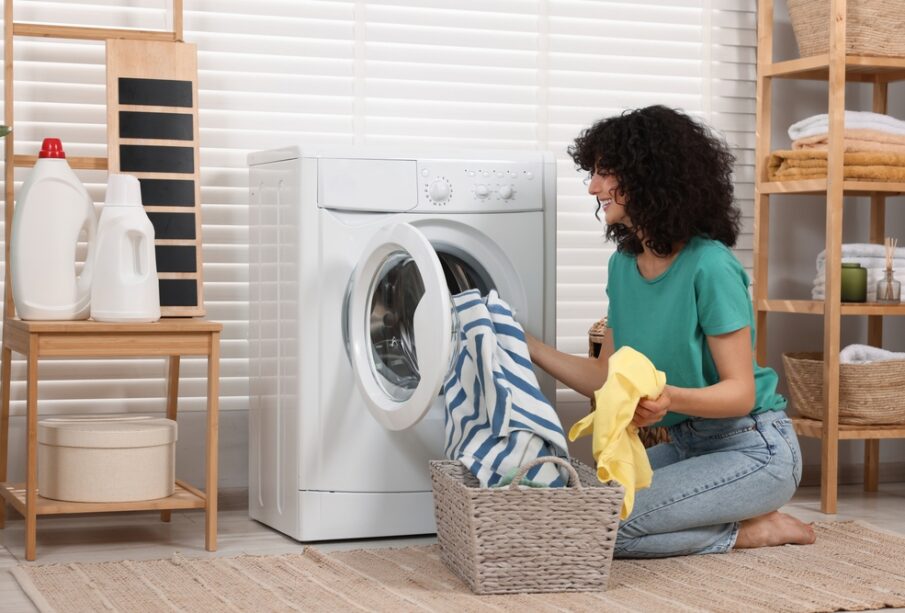
For most households, the real exhaustion of laundry day does not stem from loading clothes into a drum or pressing a start button. The true burden lies in the fragmented management the chore demands throughout the week. It is a process plagued by micro-decisions and constant interruptions: sorting piles, second-guessing water temperatures, measuring detergent by eye, and, worst of all, remembering to transfer damp garments before they sour in the drum. When chores require persistent mental tracking, they expand to occupy far more psychological space than the physical work warrants.
Connected laundry appliances have emerged as a direct response to this cognitive friction. While early iterations of smart home technology often leaned on frivolous gimmicks that merely duplicated what a simple mechanical dial could do, modern laundry systems focus on genuine process automation. By offloading cycle decisions, timing management, and routine maintenance to integrated hardware and software, these machines transform laundry from a disruptive weekend anchor into an automated background utility.
Eliminating Guesswork with Automatic Dosing and Adaptive Sensing
Measuring detergent seems straightforward, yet it remains one of the most consistently mismanaged steps in domestic care. Most people routinely overdose their laundry under the mistaken belief that more soap produces cleaner clothes. In reality, excess detergent traps dirt within fabric fibers, causes sticky buildup inside the drum, and forces machines to run extra rinse cycles that waste gallons of water.
Smart washers address this problem through bulk auto-dispense reservoirs paired with intelligent load sensing. Instead of requiring you to measure liquid detergent for every single cycle, these units hold several weeks’ worth of detergent and fabric softener in dedicated internal cartridges. Optical sensors analyze both the physical weight of the load and the turbidity of the wash water to assess soil levels. The machine then calculates and injects the exact amount of detergent required for that specific batch of garments.
This automated precision delivers immediate practical benefits:
-
Prolonging garment lifespans: Fabrics avoid the abrasive chemical accumulation caused by detergent residue, preserving elasticity, softness, and color integrity over dozens of washes.
-
Slashing annual utility and detergent waste: Calibrated dosing prevents unnecessary rinse cycles, lowering municipal water consumption while stretching your household consumables budget.
-
Universal ease of use: Anyone in the home can toss in a basket of clothes and press start without needing to know specific detergent ratios or fabric classifications.
Eradicating the Forgotten Load Trap
Perhaps the single greatest source of wasted household time is the forgotten wash cycle. A load finishes while you are working in another room, running errands, or asleep. Without an immediate reminder, damp clothes sit idle in a sealed, humid drum. Within hours, mildew takes hold, requiring a complete re-wash that doubles the time, water, and electricity spent on a single basket of laundry.
Modern connected appliances bypass this failure point through multi-platform communication. Instead of relying on a faint mechanical buzzer that barely carries beyond the basement or utility closet, these appliances send immediate, actionable push notifications to your smartphone, smartwatch, or smart home hub. You know the exact minute a load enters its final spin, allowing you to orchestrate the transition seamlessly around your schedule rather than constantly walking downstairs to check the clock.
Overnight Freshness and Wrinkle Prevention
Even when an unexpected phone call or urgent errand prevents an immediate unload, intelligent post-cycle care prevents laundry from spoiling. Many current smart washers incorporate dynamic venting or intermittent tumbling cycles that activate as soon as the main wash completes. By rotating the drum periodically and circulating fresh ambient air for up to twelve hours, the appliance keeps damp clothes fresh and free from musty odors until you are ready to move them. Similarly, connected dryers employ intermittent steam and tumbling to keep heat-set wrinkles from hardening into dress shirts and linens when left unattended.
Smarter Handoffs and Unified Drying Architecture
In traditional laundry setups, the washer and dryer operate as isolated islands. You must independently evaluate the damp load and manually dial in the corresponding dryer cycle, guessing whether delicate garments need low heat or heavy-duty tumbling.
Connected washer-and-dryer pairs eliminate this disconnect through direct machine-to-machine synchronization. Through local network protocols, the washer transmits the precise composition of the completed cycle directly to the dryer. The dryer instantly pre-selects the optimal temperature, airflow rate, and estimated drying time before you even move the clothes over.
The Rise of All-in-One Heat Pump Combos
For many busy households, the most disruptive aspect of laundry is the physical transfer between machines. Missing that handoff window completely stalls the laundry pipeline for the rest of the day.
The latest wave of all-in-one smart washer-dryer combinations has fundamentally dismantled this requirement. Utilizing advanced closed-loop heat pump technology, these units wash and dry an entire load within a single drum, eliminating the need for human intervention midway through the process. You can drop dirty sports uniforms or bed linens into the machine in the morning, configure the cycle from an app on your commute, and return in the evening to clean, dry, and warm garments ready for the closet.
Capitalizing on Off-Peak Energy Schedules
Utility rates are becoming increasingly dynamic, with many energy providers implementing time-of-use pricing models that heavily penalize running power-hungry appliances during peak afternoon and early evening hours. Traditional appliances force you to stay awake late into the night or wake up early simply to press a button during cheaper utility windows.
Smart appliances turn energy management into an automated passive setting. Through companion apps, you can program machines to run exclusively during off-peak tariff windows, typically in the deep hours of the night or midday when regional renewable generation peaks. The appliance delays the start cycle automatically, ensuring maximum economic efficiency without requiring your conscious attention or disrupting your evening routine.
Proactive Diagnostics and System Longevity
Appliance breakdowns usually result from overlooked maintenance rather than sudden structural failure. A clogged lint duct, mineral scale accumulation, or a neglected drain pump filter forces motors to work harder, dramatically accelerating wear and increasing household fire hazards.
Connected appliances actively monitor their own operational health. Instead of leaving you to decipher cryptic flashing error codes after a pump fails, companion platforms provide plain-language health reports. The system alerts you when airflow is restricted, reminds you when it is time to run a self-cleaning cycle, and flags unbalanced load vibrations before they damage the drum suspension. This proactive monitoring extends the operational lifespan of expensive household machinery while preventing the costly crisis of emergency service visits.
The true value of smart home technology is measured by how effectively it recedes into the background. When laundry appliances take over dosing, cycle selection, timing alerts, and scheduling, they strip away the cognitive overhead that makes household chores feel endless. By automating the logistical friction, they hand you back your evenings and restore calm predictability to your weekly routine.