Appliance: A Practical Guide to Modern Home Essentials
Appliances have quietly become the backbone of modern living. From preserving food to automating cleaning, they save time, reduce effort, and improve everyday comfort. Whether you are setting up a new home or upgrading old equipment, understanding appliances helps you make smarter, long-term choices.
What Is an Appliance?
An appliance is a machine designed to perform a specific household function, usually powered by electricity, gas, or water. These devices are built to simplify repetitive tasks and increase efficiency in daily routines.
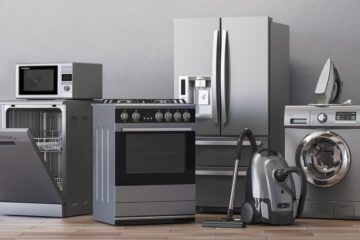
Common examples include refrigerators, washing machines, ovens, air conditioners, and dishwashers.
Types of Home Appliances
Home appliances are generally grouped based on size, function, and usage frequency.
Major Appliances (White Goods)
These are large, fixed or semi-fixed machines that handle essential household tasks.
Examples include:
-
Refrigerators and freezers
-
Washing machines and dryers
-
Dishwashers
-
Cooking ranges and ovens
-
Air conditioners
They are designed for long-term use and typically consume more power than smaller devices.
Small Appliances
Small appliances are portable, easy to store, and often task-specific.
Popular small appliances include:
-
Microwave ovens
-
Coffee makers
-
Mixers and blenders
-
Electric kettles
-
Toasters and air fryers
These appliances focus on convenience and speed rather than heavy-duty operation.
Why Appliances Matter in Everyday Life
Appliances are more than just conveniences; they directly impact lifestyle quality.
Key benefits include:
-
Time efficiency: Automates tasks that once took hours
-
Consistency: Delivers reliable and repeatable results
-
Energy optimization: Modern appliances use less power and water
-
Improved hygiene: Ensures cleaner clothes, dishes, and living spaces
In many households, appliances also support remote work, health, and food safety.
Energy Efficiency and Sustainability
Energy efficiency is one of the most important factors when choosing an appliance today.
What Makes an Appliance Energy-Efficient?
An energy-efficient appliance is designed to deliver the same performance while using fewer resources.
Look for features such as:
-
Inverter or variable-speed technology
-
Smart sensors that adjust usage automatically
-
Eco or low-power operating modes
-
High energy-rating labels
Choosing efficient appliances reduces electricity bills and minimizes environmental impact.
Smart Appliances and Connected Homes
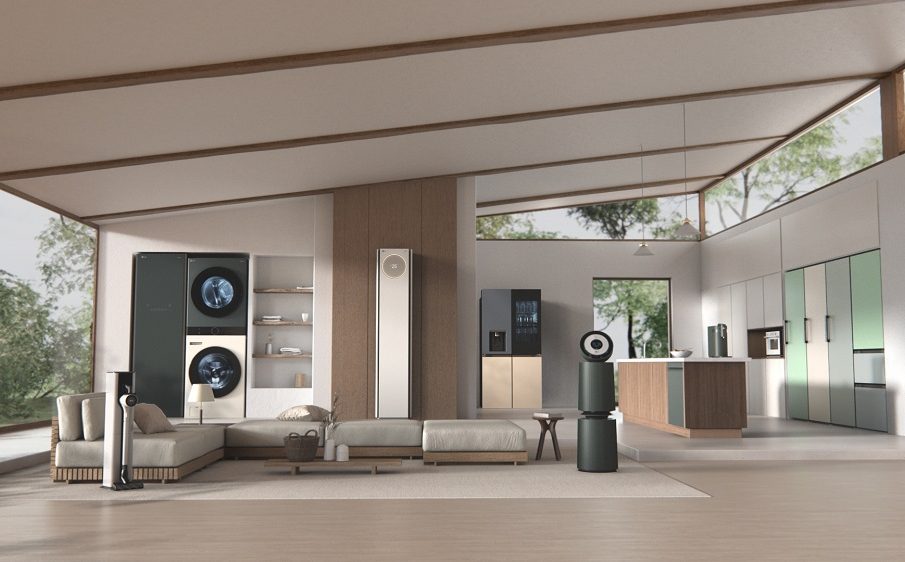
Smart appliances integrate digital technology and connectivity, allowing remote control and automation.
Common smart features include:
-
App-based operation via smartphones
-
Voice assistant compatibility
-
Usage monitoring and alerts
-
Predictive maintenance notifications
These appliances are ideal for users who value automation, control, and data-driven efficiency.
How to Choose the Right Appliance
Buying an appliance should balance performance, cost, and long-term value.
Factors to Consider Before Buying
-
Household size: Larger families need higher capacity
-
Available space: Measure dimensions carefully
-
Energy consumption: Check efficiency ratings
-
Usage frequency: Daily-use appliances should prioritize durability
-
Warranty and service: Reliable after-sales support matters
Avoid choosing solely based on price; long-term efficiency and reliability are more important.
Maintenance Tips for Longer Appliance Life
Proper care ensures appliances perform well for years.
Best practices include:
-
Clean filters, vents, and seals regularly
-
Avoid overloading machines
-
Use recommended detergents or accessories
-
Schedule periodic servicing
-
Follow manufacturer usage guidelines
Simple maintenance habits can prevent costly repairs and early replacement.
FAQs About Appliances
What is the average lifespan of home appliances?
Most major appliances last between 8 to 15 years, depending on usage, maintenance, and build quality.
How can I reduce appliance energy consumption?
Using energy-efficient models, running full loads, and avoiding standby mode can significantly reduce consumption.
Are smart appliances worth the investment?
Smart appliances are worth it if you value convenience, remote control, and long-term efficiency insights.
How often should appliances be serviced?
High-use appliances should be serviced once a year, while others may only need attention every 2–3 years.
What should I check before installing a new appliance?
Ensure proper electrical load capacity, ventilation, water connections, and adequate space.
Can old appliances increase electricity bills?
Yes, older appliances often consume more power due to outdated technology and worn components.
Is repairing an appliance better than replacing it?
If repair costs exceed 40–50% of the replacement cost, upgrading to a newer model is usually more economical.