The Benefits of Installing Water Filtration Systems in Residential Plumbing
When water flows from a municipal main into a home, it meets standardized public health thresholds. Water utilities work diligently to ensure water arriving at the street curb is biologically safe, treating it with primary disinfectants like chlorine or chloramines to neutralize pathogens during transit. However, public municipal compliance is not synonymous with domestic optimization. What keeps water pathogen-free during a multi-mile journey through aged cast-iron pipes can prove distinctly hostile to a home’s interior plumbing network, modern appliances, and the personal well-being of its residents.
Water enters a residential property carrying a complex payload of dissolved minerals, sediment, residual oxidizers, and trace contaminants. Left unchecked, this chemistry quietly works against the home from the inside out. Integrating a comprehensive water filtration system directly into residential plumbing bridges the divide between basic utility standards and high-performance domestic living. Rather than treating water purification as a countertop afterthought or a localized kitchen luxury, whole-home filtration safeguards the structural integrity of the house while fundamentally elevating the quality of everyday life.
Shielding Infrastructure: Extending the Lifespan of Domestic Pipework and Fixtures
Plumbing infrastructure represents one of the most capital-intensive components of residential construction. Concealed behind drywall, buried under subflooring, and routed through structural chases, piping is hidden from view and extraordinarily disruptive to repair when failure occurs. Unfiltered water attacks this concealed network through chemical corrosion and physical abrasion.
Municipal supplies heavily rely on chlorine and chloramines for microbial stability, yet these oxidizers aggressively degrade rubber gaskets, elastomeric O-rings, and internal valve seals. Over years of exposure, these flexible connections become brittle and crack, leading to slow, insidious leaks behind shower walls, under sink bases, and around toilet shutoff assemblies.
In regions fed by hard water or private wells, microscopic sediment behaves like liquid sandpaper. Suspended silt, rust flecks, and grit scour pipe walls and abrade delicate ceramic faucet cartridges every time a tap opens. Simultaneously, dissolved calcium and magnesium ions precipitate out of solution during temperature fluctuations, forming layers of rock-hard limescale. Over time, scale restricts interior pipe diameters and strangles water pressure. Point-of-entry sediment and catalytic carbon filtration scrubs abrasive particulate and neutralizes corrosive chemicals, ensuring valves, copper joints, and flexible lines retain their mechanical integrity over decades of operation.
Safeguarding High-Value Appliances Against Premature Failure
Today’s homes are packed with sophisticated, water-dependent machinery, including tankless water heaters, high-efficiency front-load washing machines, multi-cycle dishwashers, and dedicated refrigerator chillers. These systems are engineered to high mechanical tolerances and require balanced water chemistry to perform to their factory specifications.
Water-heating systems bear the brunt of untreated water. When water is flash-heated inside a tankless unit or brought to temperature in a traditional reservoir, dissolved minerals crystallize and settle across heating elements and heat exchangers. This scale acts as an insulative thermal barrier. Because heat transfers poorly through mineral stone, the appliance must burn significantly more gas or pull higher electric wattage simply to meet temperature targets.
This mechanical stress manifests throughout the household:
-
Internal pump fatigue: Fine sediment clogs miniature solenoid valves and wears down impeller seals in dishwashers and clothes washers, triggering premature motor failure.
-
Compromised detergent efficiency: Hard, unfiltered water prevents detergents from dissolving properly, creating sticky curd that clings to internal wash basins and coats drainage lines.
-
Sensor fouling: Mineral crusting coats water-level probes, temperature sensors, and flow meters, causing modern smart appliances to misread operational data and trigger frequent service calls.
By delivering conditioned, sediment-free water to every supply line, filtration preserves internal heat exchange surfaces, lowers monthly energy waste, and protects thousands of dollars in mechanical investments from early disposal.
Elevating Daily Living: Dermal Health, Respiratory Comfort, and Culinary Purity
The physiological benefits of filtered water are most noticeable at the showerhead and kitchen faucet. While many homeowners recognize that chemical disinfectants alter the odor of drinking water, few consider the consequences of daily bathing in heavily treated municipal water.
During a hot shower, water is aerated and vaporized. In enclosed bathrooms, this process releases volatile chlorine and chloramine compounds into the air, creating vapors that can irritate sensitive respiratory passages, particularly for family members managing asthma or environmental allergies. Concurrently, chlorinated water acts as a harsh solvent on the body’s largest organ, stripping the skin’s natural lipid barrier and extracting moisture from hair shafts. This often exacerbates chronic dry skin, triggers eczema flare-ups, and leaves hair brittle and difficult to manage.
Filtered bathing water leaves dermal barriers intact. Skin retains its natural moisture balance without the constant need for heavy topical creams, and hair maintains its natural oils, softness, and color vibrancy.
In the kitchen, the culinary transformation is immediate:
-
True flavor clarity: Filtered water removes astringent chemical notes, allowing the natural character of ingredients, broths, and sauces to shine through cleanly.
-
Optimized beverage extraction: Specialty coffee beans and whole-leaf teas rely on specific mineral balances to extract flavor oils; eliminating chlorine and excess hardness unlocks their intended aromatic profiles.
-
Improved bread leavening: Trace chlorine can kill or inhibit wild yeasts and commercial baking cultures, preventing homemade doughs from achieving optimal rise and crust structure.
Whole-House Defense Versus Targeted Point-of-Use Purification
A truly effective residential strategy often employs an intentional two-stage approach rather than relying on a single magic bullet.
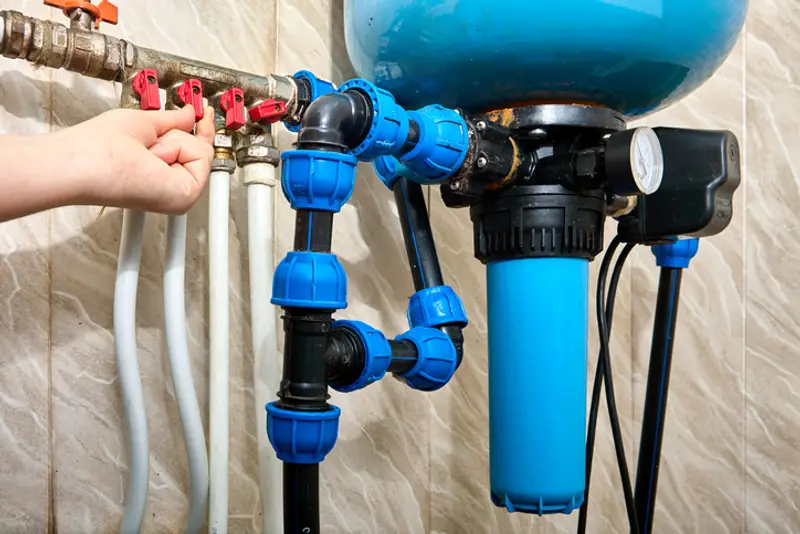
Point-of-Entry (POE) systems, positioned where the municipal line first enters the home, process the entire volume of incoming water. These units specialize in heavy lifting: filtering suspended grit, stripping out chemical disinfectants, and neutralizing scale-forming minerals before the supply branches to bathrooms, hose bibs, and water heaters.
To complement this foundation, a dedicated Point-of-Use (POU) system, such as a multi-stage reverse osmosis unit positioned beneath the kitchen sink, treats water intended exclusively for consumption. This secondary barrier polishes the water further, filtering out microscopic dissolved solids, per- and polyfluoroalkyl substances, lead, and microplastics. The POE system protects the mechanical envelope of the house, while the POU system guarantees culinary-grade perfection for the dining table.
Long-Term Economic and Ecological Sustainability
Evaluating a residential water filtration system strictly by its upfront equipment and installation costs misses the broader economic reality of homeownership. The true value lies in the compounding avoidance of auxiliary costs over time.
From a recurring operational standpoint, softened and filtered water delivers tangible monthly savings. Household cleaning routines require significantly less soap, laundry detergent, and specialized descaling chemicals because conditioned water lathers effortlessly and rinses clean without leaving behind mineral scum. Water heaters operate at peak thermal efficiency without fighting layers of insulating scale, shaving a noticeable margin off monthly utility expenditures. Moreover, having crisp, odorless drinking water readily available at the tap permanently removes the recurring expense of pre-bottled water cases or filtration pitcher replacements.
From an ecological perspective, the elimination of single-use bottled water prevents hundreds of pounds of plastic waste from leaving the home each year. Reducing petroleum-based plastic consumption not only lightens household environmental footprints, but it also prevents the ongoing release of plasticizers and microplastics into local ecosystems.
Viewing residential water filtration as an optional luxury misunderstands its functional role in the modern home. Water is an active, universal solvent that interacts constantly with every valve, seal, boiler, and resident in the building. Taking ownership of that chemistry transforms an unpredictable municipal commodity into a controlled, restorative asset. By investing in filtration at the plumbing level, homeowners protect their building infrastructure from premature decay, boost operational efficiency, and create a healthier, more comfortable living environment across every room in the house.