How to Incorporate Cultural Heritage Into Contemporary Interior Design Projects
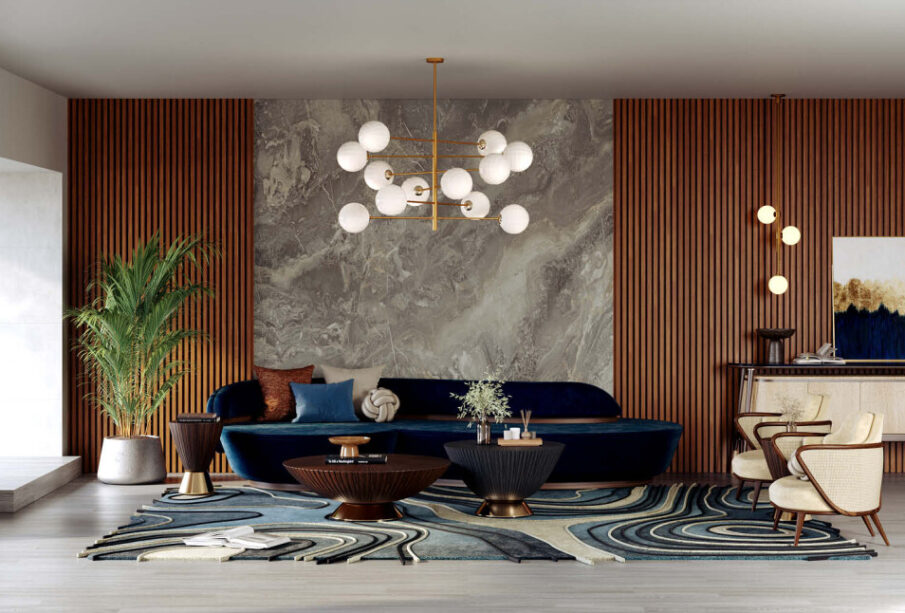
Contemporary interior design has spent the better part of two decades celebrating restraint. We have lived through waves of severe minimalism, monochromatic open floor plans, and factory-smooth surfaces engineered to eliminate visual noise. Yet, while pristine white walls and low-slung, neutral sofas create an undeniable sense of calm, they can also leave a space feeling sterile and detached from human history. When every room looks like a staged luxury rendering, a home loses its capacity to tell a story.
Cultural heritage provides the necessary antidote to this quiet homogenization. Incorporating ancestral motifs, traditional craftsmanship, and regional materiality infuses clean architectural volumes with warmth, depth, and tangible soul. However, balancing historic lineage with a modern lifestyle is an exercise in balance. It requires walking the fine line between thoughtful synthesis and superficial pastiche. Done well, heritage does not transform a room into a frozen museum exhibit; rather, it anchors contemporary living in an unbroken human narrative.
Moving Beyond the Pitfall of the Theme Room
The most common mistake when integrating cultural elements into an interior is treating heritage as an aesthetic costume. The moment a room is labeled a Moroccan lounge, a Tuscan dining room, or a Japanese sanctuary, design collapses into theme-park caricature. This approach relies on predictable tropes and mass-produced caricatures of complex traditions, resulting in an environment that feels flat and transient.
True integration depends on dialogue rather than mimicry. Instead of attempting to replicate a historical era or an entire geographical setting, treat cultural artifacts and techniques as individual voices within a larger architectural conversation. A sleek, monolithic concrete kitchen island gains nuance when illuminated by hand-hammered brass pendant fixtures crafted in Cairo. Similarly, the stark geometry of a mid-century Scandinavian dining table is softened when flanked by antique carved rosewood chairs passed down through generations.
When you abandon the impulse to create a uniform period aesthetic, you unlock the freedom to explore contrast. Contrast is what gives contemporary spaces their energy. Placing an artifact of deep historic significance against a pristine, understated backdrop gives that piece the negative space it needs to command attention and respect.
Celebrating Raw Materiality and Ancestral Craftsmanship
Modern industrial manufacturing has made precision cheap, but it has made character scarce. Factory finishes are uniform, predictable, and devoid of the human touch. Traditional crafts, by comparison, are defined by subtle variations in pressure, temperature, and hand-eye coordination.
Bringing cultural heritage into modern interiors often starts with surface treatments and building materials that carry historical memory:
-
Lime wash, Roman clay, and Tadelakt plasters: These centuries-old wall finishing techniques, rooted in Mediterranean and North African building cultures, replace flat drywall paint with breathable, subtly modulated surfaces that capture shifting daylight with organic softness.
-
Handmade ceramic tiles: Zellige tiles, Mexican Talavera, or traditional Portuguese azulejos introduce irregular geometry and glazed depth to modern kitchens and baths, instantly breaking up the monotony of machine-cut quartz and stainless steel.
-
Unlacquered metals and natural hardwoods: Materials that celebrate an authentic living patina—such as hand-beaten copper, blackened wrought iron, and reclaimed teak—age with grace, mirroring the wabi-sabi philosophy that beauty deepens as objects weather and interact with everyday life.
Tactile Textiles as Narrative Anchors
Fabrics are perhaps the most direct and versatile vehicle for cultural storytelling in the home. Textile arts—such as West African mudcloth, Turkish Kilims, Guatemalan backstrap weaves, and Scottish tartans—originated not as decorative fluff, but as encoded records of community identity, status, and local geography.
To incorporate these textiles into a contemporary aesthetic without visual clutter, consider scale and application. Rather than scattering smaller, disjointed patterns across every throw pillow, select a single, large-format vintage textile to serve as a dramatic wall hanging, or reupholster a streamlined sculptural bench in a hand-loomed wool runner. Pairing bold, hand-woven tribal textiles with clean linen drapery and tailored upholstery allows the historical pattern to shine without overwhelming the room.
Abstracting Architectural Forms and Silhouettes
Heritage is not confined to decorative items sitting on shelves; it can be woven directly into the structural vocabulary of an interior. Many of the architectural principles celebrated in vernacular traditions across the globe solve problems that contemporary architecture often struggles to address, including privacy, cross-ventilation, and natural light filtration.
Consider how traditional structural motifs can be abstracted into clean, contemporary silhouettes:
-
Architectural screening: The Islamic mashrabiya and Indian jaali stone screens were developed centuries ago to temper harsh sunlight while maintaining privacy and cooling airflows. In a modern residence, this concept translates beautifully into custom laser-cut wood or metal partition screens, allowing you to divide open-concept floor plans while casting intricate, shifting shadow patterns across pale floors.
-
Curved portals and niches: Incorporating soft plaster arches or recessed wall niches draws inspiration from ancient Mediterranean and Southwestern adobe architecture, softening the sharp rectilinear angles common in contemporary construction.
-
Spatial thresholds: In traditional Japanese domestic architecture, the genkan entry establishes a distinct, sacred boundary between the outer public world and the inner domestic sanctuary. Adopting this philosophy creates a deliberate transitional zone that encourages mental decompression the moment you cross the doorway.
Grounding Cultural Palettes in Earth Pigments
Color is deeply tied to cultural identity, yet translating traditional palettes into modern residential architecture requires careful calibration. Brightly saturated regional hues that look breathtaking in the sun-drenched streetscapes of Oaxaca, Jaipur, or the Amalfi coast can easily overwhelm a standard urban living space under overcast northern light.
The secret to modernizing cultural palettes lies in returning to the original source pigments. Before chemical dyes were standardized, traditional communities derived their signature colors from the earth: powdered lapis lazuli, crushed cochineal, dried madder root, oxidized ochre, and charred vine wood.
These natural tones inherently possess an earthy, understated quality that harmonizes effortlessly with contemporary neutral schemes. A deep, fermented natural indigo feels grounded against charcoal concrete. A dusting of terracotta or raw sienna injects warmth into an otherwise cool, minimalist living room. By anchoring cultural colors to raw mineral pigments and balancing them against quiet neutrals—such as chalk white, warm limestone, and weathered taupe—you create a palette that feels sophisticated, timeless, and resonant.
Honoring Lineage Through Ethical Provenance
A truly elevated space requires discernment about where and how heritage pieces are acquired. Contemporary interior design must consciously reject the extractive consumption of culture. Buying cheap, mass-market reproductions stripped of their meaning reduces sacred symbols and centuries-old artisanal labor to disposable decor.
Seek out direct partnerships with living artisan cooperatives, invest in authentic antiques with traceable histories, or celebrate family heirlooms with genuine personal provenance. Understanding the symbolic meaning behind a pattern, a carved wood grain, or a ceremonial vessel transforms decor into an act of preservation. When guests enter your home and ask about an item, the answer should never be an inventory code from a big-box retailer; it should be a story about the maker, the community, or the family journey that brought it into your life.
Contemporary interior design reaches its highest potential when it stops obsessing over pristine perfection and begins embracing the textured, layered reality of human culture. By thoughtfully pairing artisanal craftsmanship with architectural restraint, you build an interior that transcends seasonal trends. The result is a home that feels both forward-looking and deeply rooted—a peaceful sanctuary grounded in the quiet majesty of enduring human history.