A Complete Guide to Building the Perfect Home Kitchen
Designing and maintaining a home kitchen is one of the most rewarding investments you can make for your household. A kitchen is not just a place for preparing meals; it is the heart of the home, where conversations happen, family gathers, and creativity in cooking flourishes. Whether you are planning a renovation or creating a new layout, understanding how to design, organise, and style your kitchen is essential for both function and comfort.
Planning Your Home Kitchen
Every successful kitchen begins with a well-thought-out plan. Before purchasing cabinets, appliances, or countertops, take the time to analyse your lifestyle and cooking habits. A functional kitchen design should balance aesthetics with practicality.
Key factors to consider
-
Space allocation: Measure your available space carefully and create zones for cooking, cleaning, prepping, and storage.
-
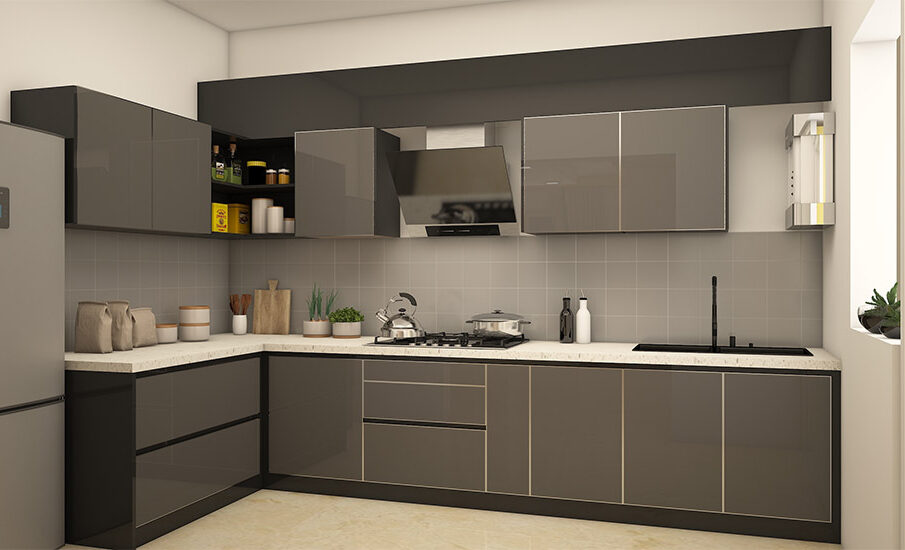
Layout choice: Popular layouts include L-shaped, U-shaped, galley, and open-plan kitchens.
-
Workflow efficiency: Apply the “kitchen work triangle” principle, ensuring your stove, sink, and refrigerator form a practical movement path.
-
Natural light and ventilation: A well-lit and airy kitchen boosts energy and keeps the space hygienic.
Choosing the Right Materials
The materials you select for your kitchen not only define the style but also determine durability and ease of maintenance.
Countertops
Granite, quartz, laminate, and solid wood are popular choices. Granite and quartz are highly durable, while wood adds warmth and natural appeal.
Cabinets
Solid wood, plywood, and MDF are common cabinet materials. Opt for finishes like matte, glossy, or textured laminates to complement your design theme.
Flooring
Ceramic tiles, vinyl, and engineered wood flooring offer resilience against spills, stains, and heavy foot traffic.
Must-Have Appliances for a Modern Kitchen
A home kitchen today goes beyond a simple cooking area; it is equipped with advanced appliances that save time and energy.
-
Refrigerator: Choose one that fits your household size, with features like frost-free cooling and smart compartments.
-
Oven and hob: Built-in ovens and induction hobs are efficient for modern cooking.
-
Dishwasher: Helps maintain hygiene and saves water.
-
Microwave: Ideal for reheating and quick meals.
-
Extractor hood: Keeps your kitchen free from smoke and odours.
Storage Solutions for Efficiency
Maximising storage is essential in a kitchen of any size. Organised storage reduces clutter and makes cooking more enjoyable.
-
Pull-out drawers: Provide easy access to pots, pans, and utensils.
-
Overhead cabinets: Make use of vertical space for lesser-used items.
-
Pantry units: Ideal for storing dry goods, spices, and kitchen staples.
-
Corner solutions: Lazy Susans or corner drawers help in utilising awkward spaces.
Lighting Design in the Kitchen
Lighting is one of the most overlooked aspects of kitchen design, yet it plays a crucial role.
-
Ambient lighting: Ceiling fixtures or recessed lighting for overall brightness.
-
Task lighting: Under-cabinet lights for work surfaces.
-
Accent lighting: Spotlights or pendant lights for style and mood.
Balanced lighting ensures safety while preparing food and enhances the atmosphere during dining.
Safety Features in a Home Kitchen
Safety should always be a priority. Consider the following aspects when designing or upgrading your kitchen:
-
Slip-resistant flooring to prevent accidents.
-
Proper ventilation to reduce smoke and odours.
-
Fire extinguishers or blankets kept in accessible areas.
-
Rounded countertop edges to avoid injuries.
-
Child-proof locks on cabinets containing sharp tools or cleaning agents.
Style and Décor Choices
The style of your kitchen sets the tone for the entire home. Whether you prefer a contemporary look, rustic charm, or minimalist elegance, select colours, textures, and finishes that resonate with your taste.
-
Modern kitchens: Sleek lines, glossy surfaces, and integrated appliances.
-
Traditional kitchens: Warm tones, natural wood, and classic cabinetry.
-
Rustic kitchens: Stone finishes, farmhouse sinks, and earthy colours.
-
Minimalist kitchens: Neutral palettes, clean layouts, and clutter-free design.
Eco-Friendly Kitchen Practices
Sustainability is an increasing priority in modern households. Adopting eco-conscious choices benefits the environment and reduces household expenses.
-
Use energy-efficient appliances rated A++ or higher.
-
Install LED lighting to cut energy consumption.
-
Opt for water-saving taps.
-
Recycle and compost kitchen waste.
-
Choose materials like bamboo, reclaimed wood, or recycled stone.
Smart Kitchens and Technology Integration
Technology has transformed the way kitchens function. A home kitchen today can incorporate smart technology for convenience and efficiency.
-
Smart refrigerators with touchscreens and inventory reminders.
-
Voice-activated assistants for recipe guidance.
-
App-controlled ovens and hobs.
-
Automated lighting and climate controls.
These advancements enhance cooking experiences and bring futuristic efficiency into everyday routines.
Budgeting for Your Kitchen Project
Kitchen upgrades can be costly, so budgeting wisely ensures you achieve the best outcome without overspending.
-
Set priorities: Decide whether storage, appliances, or aesthetics matter most.
-
Compare material costs: Balance between quality and affordability.
-
Plan for long-term use: Invest in durable materials rather than cheap quick fixes.
-
Factor installation and labour costs: Professional fitting guarantees safety and longevity.
Daily Maintenance and Cleaning Tips
Keeping your kitchen clean is essential for health and safety.
-
Wipe countertops daily with mild disinfectants.
-
Clean stovetops immediately after use to avoid stubborn stains.
-
Empty bins daily to prevent odours.
-
Deep clean appliances monthly.
-
Declutter cabinets and pantries every few months.
FAQs About Home Kitchens
What is the best kitchen layout for small homes?
A galley or L-shaped kitchen works best in compact homes, offering efficient use of space without compromising functionality.
How do I make my kitchen look bigger?
Use light-coloured cabinets, reflective surfaces, and strategic lighting. Open shelving can also create an illusion of space.
What is the average cost of a new kitchen?
Costs vary widely based on size, materials, and appliances. A mid-range kitchen typically requires a moderate investment, but planning and comparing quotes can help manage expenses.
Should I choose an open-plan kitchen?
Open-plan kitchens are ideal for social households, offering a seamless connection between cooking and dining areas. However, consider noise and ventilation challenges.
How can I keep my kitchen eco-friendly?
Choose energy-efficient appliances, recycle waste, and use sustainable materials like bamboo or reclaimed wood in cabinetry and flooring.
What colour schemes work well in kitchens?
Neutral palettes with pops of colour are timeless. White, grey, and beige provide a clean base, while accents like navy, green, or mustard add character.