Why Everyone Needs Fruit Trees Now
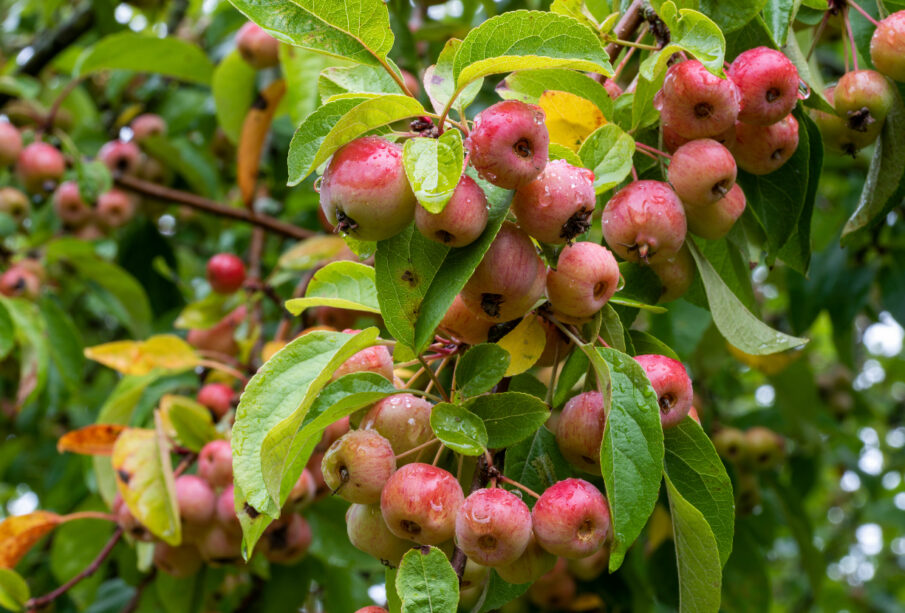
Britain has always had a tradition of gardening, but it is fair to say that the recent surge in interest for fruit trees comes at a time when people are becoming more discerning about their diets, their environmental footprint, and the long-term sustainability of their green spaces. Not so long ago, it was common to find at least a few apple or plum trees in the average British garden. Over time, however, modern housing developments, smaller plots, and a general shift away from home food production left these garden favourites out in the cold. Today, there has been a quiet revolution of sorts: people are rediscovering the profound benefits of nurturing their own orchard, no matter how small, and understanding that integrating fruit trees into their garden landscapes is an action whose rewards multiply over time.
In many neighbourhoods, a couple of carefully chosen fruit trees for sale can provide abundant harvests of apples, pears, cherries, or plums for decades, often with minimal maintenance compared to other food-growing pursuits. With increasingly unpredictable supply chains and growing concerns about pesticide use, carbon footprints, and the provenance of what we eat, fruit trees offer a symbol of resilience, tradition, and abundance. They connect us to our culinary heritage, support local biodiversity, improve the microclimate around our homes, and, not least, offer us some of the freshest and most flavourful produce available. As awareness of these benefits spreads, there is a natural eagerness to learn more. From understanding the right varieties to selecting the best rootstocks, from planting tips to pruning advice, the wealth of knowledge available today makes it easier than ever to become a well-informed fruit tree grower.
A nursery specialist at ChrisBowers, a reputable nursery known for its expertise in growing and supplying quality fruit stock, explains that a successful start is often about choosing the right variety for your conditions. They emphasize the importance of selecting a tree suited to one’s local climate and soil type, pointing out that modern grafting techniques and improved rootstocks help trees adapt even to marginal growing sites. According to the specialist, if gardeners take the time to research, match a suitable tree to their environment, and follow basic advice about planting depth, soil preparation, and early training, they will find that their investment in a fruit tree quickly transforms from a tentative experiment into a prized part of their garden.
A Shift in Gardening Priorities
In recent years, the value placed on having a garden has grown immensely. For many decades, the emphasis was often on decorative borders, manicured lawns, and ornamental shrubs. While ornamental gardening remains popular, there is a noticeable shift in priorities. Today’s gardeners are increasingly keen to derive more tangible rewards from their outdoor spaces. The need to re-establish a link between the soil and the kitchen table is one of the key reasons why people across Britain are finding themselves drawn to fruit trees. These trees, whether they are trained against a south-facing wall or given pride of place in a central lawn, offer more than just a source of fruit. They signify a commitment to the environment and a determination to reduce one’s reliance on lengthy supply chains.
This shift might be partially explained by a better understanding of the environmental cost of imported produce, alongside the profound satisfaction of watching a tree bloom in the spring and deliver a crop in late summer or early autumn. A fruit tree can also provide important habitat niches for insects, pollinators, and birds, lending a subtle but meaningful contribution to local biodiversity. In an era when much of our existence seems disconnected from the fundamentals of food production, the sight of a ripening apple or the taste of a sun-warmed plum straight from the tree can be both comforting and grounding. More and more people are looking to fruit trees not only for the personal delight they bring but also as powerful symbols of a more sustainable future.
Environmental Benefits of Fruit Trees
As towns grow and fields give way to housing estates, the environmental value of any green space intensifies. Fruit trees, being long-lived perennials, are a notable asset here. Their presence contributes to carbon sequestration, and their blossoms support pollinators at critical times of the year. Planting the right fruit trees in urban or suburban areas can significantly help restore biodiversity. Many gardens across the UK have shrunk in size over the years, but even in the smallest plot, there is usually room for at least one dwarf or semi-dwarf fruit tree. Species like apple and pear come in an array of shapes and trained forms—from cordons to espaliers—that allow them to fit snugly along fences or walls, providing both decorative and ecological value. The impact of these plantings extends beyond the individual gardener’s satisfaction. Encouraging more people to plant fruit trees, even if it’s just one or two, contributes to greener neighbourhoods, healthier ecosystems, and a collective sense of environmental responsibility.
As climate change continues to present challenges to both agriculture and biodiversity, the presence of small-scale fruit growing operations in ordinary gardens can act as micro-reservoirs of genetic diversity. Traditional English apple varieties, many of which fell out of favour due to commercial farming’s quest for uniformity, can find new life in the hands of enthusiastic home gardeners. This slow resurgence of heirloom varieties ensures that valuable genetic traits—such as disease resistance, flavour complexity, and the ability to cope with local soil conditions—remain available for future generations. In short, planting fruit trees now can be seen as a quiet, patient investment in environmental resilience and biological wealth.
Financial Benefits and Self-Sufficiency
In the current economic climate, where the cost of living and food prices often seem to climb without respite, it is understandable that more people are looking for ways to enhance their household’s self-sufficiency. Growing fruit at home is not going to replace your weekly shop entirely, but over time, it can significantly reduce how much you spend on certain items. A mature apple or pear tree can yield several kilos of fruit each year—enough to fill lunchboxes, make sauces or chutneys, and perhaps even supply a few neighbours. Over the years, such production can represent a substantial saving, especially considering that one of the biggest challenges facing agriculture in the modern era is the rising cost of inputs and the unpredictability of global markets.
The financial benefits extend beyond mere cost savings. Investing in fruit trees is often an investment in your property’s value. A garden featuring healthy, productive fruit trees can be a selling point for prospective buyers who appreciate sustainable living, beauty, and the inherent romance of having a mini orchard at their disposal. While many gardeners plant fruit trees primarily for personal satisfaction, it is reassuring to know that their presence can also make practical economic sense. It is a gentle, long-term strategy that pays dividends as the seasons roll on, needing little more than an annual pruning session and perhaps a top dressing of compost to keep the soil fertile and productive.
Culinary Advantages and Quality Control
There is something magical about biting into an apple, pear, or plum that has never seen a supermarket shelf. The flavours are often more intense and nuanced than their mass-produced counterparts. Home-grown fruit can be harvested at the perfect stage of ripeness, ensuring maximum sweetness and texture. Supermarket fruit is often picked early to survive transportation and storage, which can compromise its taste. By growing your own fruit, you gain absolute control over what you consume. You know the tree’s growing history and the care it received. You can choose not to use chemical pesticides, relying instead on organic methods and natural predators to manage pests. Such a choice not only improves the quality of your fruit but also aligns with a growing movement towards healthier, more environmentally conscious eating habits.
The culinary possibilities are endless. Apples can be pressed into juice or cider, pears poached and served with cream, cherries baked into pies and tarts, plums transformed into jam or compote. Having a reliable source of fresh fruit at your doorstep encourages experimentation in the kitchen and a more adventurous approach to cooking. Moreover, the seasonal nature of fruit trees fosters a sense of anticipation. Waiting patiently for the first apple of the year turns eating from a hurried necessity into a small celebration—an experience that connects you to the rhythms of the natural world, encouraging mindfulness and gratitude.
Choosing the Right Tree for Your Space
Selecting the appropriate variety and rootstock is key to enjoying a productive, hassle-free relationship with your fruit tree. Different regions of Britain come with their particular climatic quirks and soil conditions. Some apple varieties thrive in the milder, damp West Country climate, while others excel in the drier eastern counties. It pays to do some research, consult local experts, and understand the quirks of your microclimate. Fruit trees vary in size depending on the rootstock, so it is possible to choose a tree that fits perfectly into your available space. Dwarfing or semi-dwarfing rootstocks enable even those with the smallest of gardens to enjoy their own harvests. Over time, this flexibility has given rise to the extensive selection of fruit trees for sale in specialist nurseries and garden centres across the UK, meaning everyone can find a variety suited to their particular tastes and circumstances.
It can be tempting to think that planting a fruit tree is as simple as digging a hole and dropping in a sapling. While that is not entirely wrong, taking the time to prepare the soil, ensuring proper drainage, and choosing a sheltered location can make all the difference. Equally important is to consider pollination. While some fruit trees are self-fertile, many require a compatible partner to ensure reliable cropping. Paying attention to these details at the outset saves a great deal of time and disappointment down the line. Britain’s climate is generally well-suited to a broad range of fruit species, from the crisp English apples that have been a culinary staple for centuries to exotic newcomers like figs and peaches that are becoming increasingly feasible as our winters grow milder.
The Practicalities of Planting and Caring for Fruit Trees
Taking the plunge and actually planting a fruit tree is often easier than anticipated. In fact, this simplicity is one of the main attractions for individuals who may feel intimidated by more labour-intensive gardening projects. While it does require some patience, growing fruit trees is not an exclusive pastime for horticultural experts. Start by sourcing a quality sapling from a reputable supplier. Trusted nurseries, including those with a long-established track record, can offer not only an extensive variety of trees but also expert guidance and aftercare advice. Many such nurseries also provide detailed planting instructions and can answer any queries that arise along the way.
Once planted, a fruit tree needs surprisingly little to thrive. A steady supply of water during dry spells, occasional feeding with an organic fertilizer, and yearly pruning are usually all that is required. Compared to intensive vegetable gardening, which can demand continuous sowing, weeding, and harvesting cycles, fruit trees represent a relatively low-maintenance route to home-grown produce. Over time, as your confidence and curiosity grow, you might consider adding another variety. The careful arrangement of two or three fruit trees can create a mini orchard atmosphere, encouraging pollinators and generating a gratifying sense of abundance. The ability to pick fruit straight from the tree and enjoy it at its freshest is not only deeply satisfying but also subtly changes how one perceives the relationship between the garden and the kitchen.
For those looking to add a new tree to their garden, it is easy to find fruit trees for sale through reputable garden centres or online nurseries. Even though these outlets are increasingly offering convenient delivery services, it remains wise to do a bit of homework and perhaps seek a conversation with a specialist before making a purchase. The wealth of knowledge available online is a good starting point, but nothing beats discussing your needs with someone who has years of experience in selecting and growing the right varieties for British gardens. Once the right tree is chosen, it often takes only a season or two before you begin to see the tangible rewards of your decision.
Future Outlook: Fruit Trees for Community and Resilience
It is not just private gardens that stand to benefit from a collective embrace of fruit tree planting. Allotments, community gardens, and urban green projects are increasingly recognizing the value of incorporating fruit trees into their landscapes. These communal spaces foster the exchange of knowledge and best practices, making fruit-growing expertise more accessible to everyone. Neighbours come together for blossom festivals, apple-pressing days, and jam-making sessions. Children learn about the cycles of nature and the origins of their food, developing skills and attitudes that will serve them well into adulthood. This community angle holds significant potential in a world that often feels fragmented and disconnected. Working alongside others to plant and maintain fruit trees can spark friendships, strengthen local networks, and create a tangible sense of shared purpose.
Resilience is another powerful reason why everyone should consider planting fruit trees now. In a changing world where food security can no longer be taken entirely for granted, having a reliable, local source of nutritious produce is reassuring. While no single garden can solve the complex global challenges we face, the cumulative effect of thousands of households and communities embracing fruit trees can help build greater resilience in our food systems. It diversifies supply, reduces reliance on distant farms and exporters, and fosters skills that might prove invaluable in the future. Fruit trees can thus be seen as an investment not just in personal well-being, but in the long-term security and sustainability of entire communities.
Conclusion: Embrace the Orchard at Your Doorstep
Britain’s gardening tradition is storied and beloved, and the current resurgence in interest in fruit trees brings it into a new era—one defined by sustainability, resilience, and a renewed appreciation for what the land can provide. By planting even a single fruit tree in your garden, you are making a quiet yet powerful statement. You are investing in fresh produce, environmental health, and the culinary heritage of the British Isles. You are contributing to a legacy that can be enjoyed by future generations, leaving behind not just a patch of grass and a few shrubs, but a living organism that can outlast you and continue to nourish those who come after.
As more people explore the idea of adding fruit trees to their gardens, the resources and expertise available have never been more accessible. From nurseries offering a wide range of fruit trees for sale to digital guides and community workshops, support is plentiful. With minimal effort, homeowners can learn how to choose, plant, care for, and harvest from their trees, reaping the rewards year after year. In this sense, fruit trees are not mere garden ornaments; they are gateways to a more mindful and sustainable way of life. They teach us patience, reward us for our care, and remind us that nature, if nurtured, can repay our diligence many times over.
If you have ever considered adding something more meaningful to your garden, now is the time. Embrace the orchard at your doorstep and discover why everyone needs fruit trees now.