The Art of Cultivating a Thriving Garden
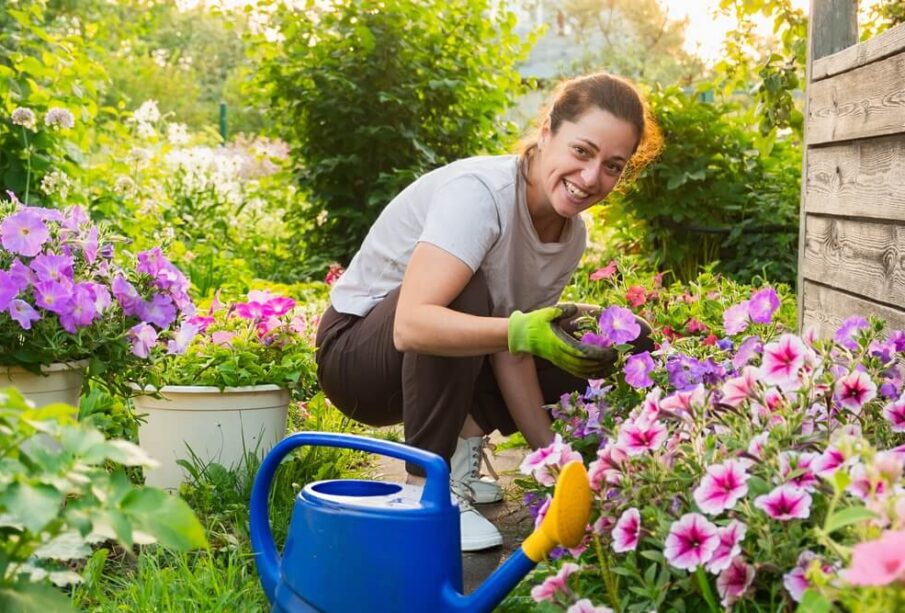
A well-tended garden is a living masterpiece, a reflection of patience, knowledge, and an appreciation for nature’s rhythm. Whether it is a small urban oasis or an expansive landscape, a flourishing garden requires thoughtful planning, proper techniques, and a commitment to nurturing life.
Selecting the Right Plants for Your Space
Understanding the environment is the first step in creating a successful garden. Soil composition, climate conditions, and sunlight availability dictate which plants will thrive. Native species often require less maintenance, as they are adapted to local conditions, while exotic varieties may demand special care. Considering seasonal changes ensures that the garden remains vibrant throughout the year.
Plants also serve different roles—some provide shade, others attract pollinators, and certain varieties act as natural pest deterrents. A balanced selection enhances both aesthetics and functionality, creating a dynamic and self-sustaining ecosystem.
The Foundation of Healthy Soil
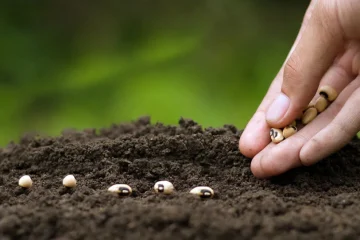
Soil is the lifeblood of any garden, influencing plant growth and overall vitality. A thorough assessment of its composition—whether sandy, loamy, or clay-based—guides the necessary amendments. Organic matter, such as compost or well-aged manure, enriches the soil, improving its structure and nutrient content.
Proper aeration prevents compaction, allowing roots to breathe and absorb moisture efficiently. Mulching further enhances soil health by regulating temperature, retaining moisture, and suppressing weeds. The investment in soil quality translates directly into robust, flourishing plants.
The Science of Watering
A thoughtful approach to watering prevents both drought stress and waterlogging. Deep, infrequent watering encourages strong root development, making plants more resilient to fluctuations in moisture levels. Early morning irrigation minimizes evaporation, ensuring that water reaches the roots rather than evaporating in the heat of the day.
Rainwater harvesting offers a sustainable solution, reducing dependence on municipal sources while providing plants with naturally soft, chemical-free hydration. Drip irrigation systems enhance efficiency by delivering water precisely where it is needed, minimizing waste and preventing fungal diseases associated with excess moisture on leaves.
Encouraging Biodiversity and Natural Balance
A thriving garden is more than a collection of plants; it is a habitat teeming with beneficial organisms. Bees, butterflies, and hummingbirds contribute to pollination, enhancing fruit and flower production. Ladybugs and praying mantises act as natural pest control, reducing the need for chemical interventions.
Incorporating diverse plant species prevents monoculture-related issues, such as soil depletion and pest outbreaks. Companion planting—a practice where certain plants support each other’s growth—further strengthens the garden’s resilience. For example, marigolds deter nematodes, while basil enhances the flavor of nearby tomatoes.
Pruning and Maintenance for Lasting Beauty
Regular maintenance ensures that the garden remains a picture of vitality. Pruning removes dead or diseased growth, allowing plants to direct their energy toward healthy development. Understanding the appropriate techniques for each species prevents damage—some plants require gentle trimming, while others benefit from more aggressive shaping.
Weeding is another crucial task, preventing invasive species from competing with cultivated plants. Hand-pulling weeds before they seed keeps their spread under control, while mulch serves as a natural barrier against new growth.
The Changing Seasons and Garden Adaptation
Every season presents unique opportunities and challenges. Spring is a time for planting and rejuvenation, while summer demands vigilance in watering and pest control. Autumn is ideal for enriching the soil, planting perennials, and preparing for winter dormancy. Cold months invite thoughtful planning, allowing time to assess successes and refine strategies for the coming year.
Adjusting practices according to seasonal shifts keeps the garden in harmony with nature’s cycles, ensuring continuous beauty and productivity.
The Satisfaction of a Well-Kept Garden
Beyond its visual appeal, a well-maintained garden offers profound benefits. It provides a sanctuary of tranquility, a retreat from the demands of daily life. The act of tending to plants fosters a connection with the natural world, encouraging mindfulness and patience.
A garden is ever-changing, shaped by time and the hands that care for it. With dedication and knowledge, it becomes a testament to both artistry and science—a living space that brings joy, nourishment, and a deep appreciation for the delicate balance of life.