Complete Guide to Roofing for Homeowners
Roofing is one of the most essential aspects of a property, offering both protection and aesthetic appeal. A strong and well-maintained roof safeguards against weather, enhances insulation, and adds significant value to a home. When people search for roofing advice, they are usually looking for practical insights into types of roofing materials, installation, repair, and maintenance. This detailed guide is designed to help homeowners understand every key aspect of roofing, ensuring long-lasting performance and peace of mind.
Importance of Roofing in a Home
A roof is more than just a covering; it is a structural shield that plays a vital role in safety, efficiency, and comfort. It prevents water penetration, regulates indoor temperature, and provides stability to the entire structure. Without proper roofing, a property quickly becomes vulnerable to weather damage, mould growth, and even structural collapse.
Key functions of a roof
-
Weather protection against rain, snow, hail, and strong winds
-
Insulation support to keep the property warmer in winter and cooler in summer
-
Noise reduction from rain and external disturbances
-
Structural balance by distributing loads evenly across walls
-
Aesthetic enhancement to improve curb appeal and property value
Different Types of Roofing Materials
Selecting the right roofing material is one of the most important decisions for homeowners. Each type of material comes with its own lifespan, cost, and maintenance requirements.
Asphalt Shingles
-
Widely used due to affordability and versatility
-
Available in multiple colours and designs
-
Average lifespan of 15–25 years
-
Suitable for most climates
Slate Roofing
-
Natural stone with high durability
-
Elegant appearance and fire resistance
-
Can last over 100 years with proper care
-
Heavier than other materials, requiring stronger structural support
Clay and Concrete Tiles
-
Popular for their distinctive appearance and durability
-
Resistant to fire and insect damage
-
Lifespan of 40–60 years
-
Require professional installation due to weight
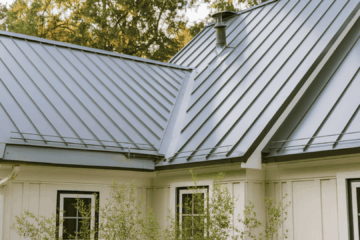
Metal Roofing
-
Lightweight, recyclable, and energy-efficient
-
Available in steel, aluminium, copper, and zinc
-
Excellent longevity of 40–70 years
-
Reflective surface helps reduce cooling costs
Wooden Shingles and Shakes
-
Provide a rustic and natural appearance
-
Made from cedar, redwood, or pine
-
Lifespan of around 25–30 years
-
Require regular treatment to prevent rot and insect infestation
Green Roofing
-
Eco-friendly solution with vegetation cover
-
Improves insulation and air quality
-
Requires specialised installation and maintenance
-
Ideal for urban environments seeking sustainable solutions
Roofing Installation: What Homeowners Should Know
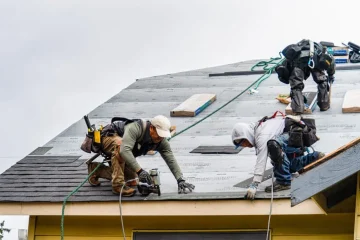
Installing a roof requires precision, planning, and professional expertise. Poor installation can lead to premature damage and safety hazards.
Steps in roofing installation
-
Initial inspection and measurements
-
Removal of old roofing materials
-
Checking and repairing roof decking
-
Installing underlayment for waterproofing
-
Laying roofing material in proper alignment
-
Sealing, flashing, and edge finishing
-
Final inspection to ensure quality and safety
Common Roofing Problems and Their Causes
Even the most durable roof will face problems over time. Identifying these early can save money and prevent serious damage.
-
Leaks and water damage caused by cracked flashing or broken shingles
-
Moss and algae growth leading to moisture retention
-
Sagging roofs due to structural weakness or water accumulation
-
Poor ventilation causing heat build-up and reduced efficiency
-
Storm damage such as lifted tiles, dents, and punctures
Roof Maintenance Tips for Longevity
A well-maintained roof can outlast its expected lifespan. Regular checks and timely repairs are essential.
Key maintenance practices
-
Conduct roof inspections twice a year, especially after storms
-
Clear debris such as leaves, branches, and dirt
-
Check and clean gutters to prevent water overflow
-
Trim overhanging trees to reduce moss growth and branch damage
-
Re-seal flashing around chimneys, skylights, and vents
-
Replace broken or missing shingles promptly
Roofing and Energy Efficiency
A well-constructed roof contributes significantly to energy savings. Modern roofing systems are designed to keep homes insulated and reduce reliance on heating and cooling systems.
-
Cool roofs with reflective coatings lower indoor temperatures in summer
-
Proper insulation layers prevent heat loss in winter
-
Solar roofing options integrate energy generation into roof design
-
Ventilation systems reduce condensation and maintain balanced airflow
Choosing the Right Roofing Contractor
Hiring the right professional ensures your roof is installed and maintained correctly.
What to look for in a contractor
-
Verified experience and credentials
-
Proper insurance and safety practices
-
Written contracts with detailed cost estimates
-
Warranty on materials and workmanship
-
Positive customer feedback and references
Roofing Safety Considerations
Roof work is risky and requires careful attention to safety standards.
-
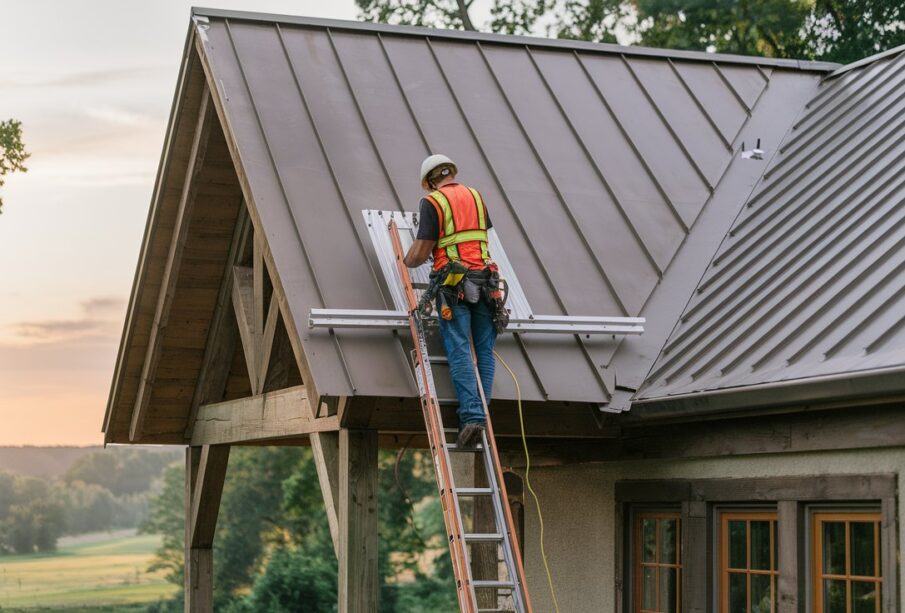
Use of proper harnesses, ladders, and protective gear
-
Avoiding work in wet or windy conditions
-
Ensuring scaffolding and safety rails for steep roofs
-
Professional handling of heavy materials like tiles or slate
Cost Factors in Roofing
The cost of roofing depends on multiple factors, and homeowners should be aware of these before planning a project.
-
Material choice (slate and metal are more expensive than asphalt)
-
Roof size and pitch (steeper roofs require more labour)
-
Removal of old roofing and disposal costs
-
Labour charges varying by region
-
Additional features like skylights, chimneys, or solar panels
Future Trends in Roofing
Roofing continues to evolve with technology and environmental awareness.
-
Smart roofing systems with sensors to detect leaks and damage
-
Sustainable materials such as recycled metal and eco-tiles
-
Solar integration becoming increasingly common
-
Cool roof coatings for urban heat reduction
FAQ Section
How often should a roof be replaced?
Most roofs last between 20 and 50 years depending on the material. Asphalt shingles typically last 15–25 years, while slate and metal roofs can last over 70 years with proper care.
Can I repair my roof myself?
Minor tasks like cleaning gutters or replacing a single shingle can be done safely. However, major repairs and installations should always be handled by professionals for safety and warranty reasons.
What is the best time of year to replace a roof?
Spring and autumn are ideal due to mild weather. Summer can be too hot, while winter may bring challenges with ice and snow.
How do I know if my roof needs urgent attention?
Signs such as water stains on ceilings, missing shingles, sagging roof lines, or daylight visible through the attic indicate urgent repairs are needed.
Are green roofs worth the investment?
Green roofs provide excellent insulation, reduce stormwater runoff, and improve air quality. They are initially more expensive but offer long-term savings and environmental benefits.
Do insurance policies cover roof damage?
Most home insurance policies cover sudden damage from storms, fire, or falling objects. General wear and tear, however, is usually not included.