Home Appliance: A Complete Guide to Modern Living
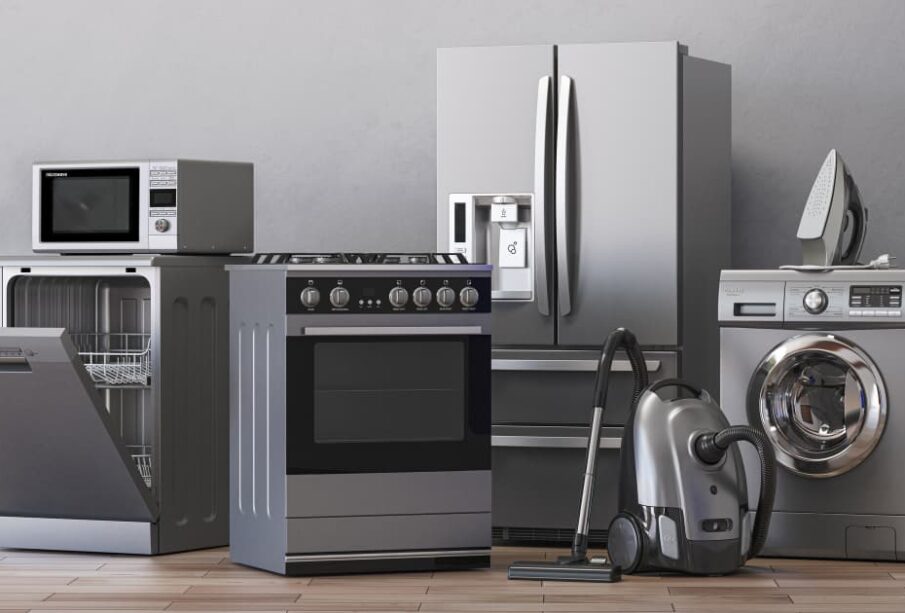
Home appliances are no longer just tools to simplify chores; they have become essential parts of modern living. From saving time and reducing physical effort to ensuring better energy efficiency and improved lifestyle, home appliances play a pivotal role in every household. Understanding their types, features, and the value they bring can help homeowners make informed decisions and maximise both convenience and efficiency.
The Importance of Home Appliances in Daily Life
The term home appliance covers a wide range of machines designed to assist with household functions such as cooking, cleaning, laundry, food preservation, and even entertainment. In today’s fast-paced lifestyle, these devices are indispensable. They not only free up valuable time but also ensure consistent results and improve the overall quality of life.
A well-chosen appliance can reduce energy consumption, save costs in the long run, and contribute to sustainability. This makes knowing more about home appliances a necessity rather than a luxury.
Major Categories of Home Appliances
Kitchen Appliances
The kitchen is often called the heart of the home, and appliances make it efficient and enjoyable. Essential items include:
-
Refrigerators and freezers for food storage and preservation
-
Ovens, hobs, and microwaves for cooking with ease and precision
-
Dishwashers for saving water and time
-
Coffee machines, toasters, and mixers for daily convenience
Modern kitchen appliances come with smart features such as touch screens, app connectivity, and energy monitoring systems that allow users to manage them remotely.
Laundry Appliances
Laundry appliances are critical for maintaining hygiene and comfort. These include:
-
Washing machines with multiple wash cycles for different fabric types
-
Dryers that provide quick drying and reduce dependency on weather
-
Steamers and irons for garment care
Many of these now feature eco-friendly options, water-saving technology, and advanced stain removal functions.
Cleaning Appliances
Maintaining a clean home has been made simpler with:
-
Vacuum cleaners, including robotic models that work autonomously
-
Steam cleaners for chemical-free sanitisation
-
Air purifiers for improved indoor air quality
Such appliances not only ensure cleanliness but also support health by reducing allergens and pollutants.
Comfort and Lifestyle Appliances
Beyond basic necessities, home appliances also provide comfort and entertainment:
-
Air conditioners and heaters for climate control
-
Smart TVs and audio systems for entertainment
-
Water purifiers for safe and healthy drinking water
These additions elevate living standards and contribute to well-being.
The Rise of Smart Home Appliances
One of the most significant developments in recent years is the introduction of smart appliances. Connected to Wi-Fi or Bluetooth, these devices can be controlled via smartphones or voice assistants. Benefits include:
-
Remote operation and monitoring
-
Energy usage tracking
-
Predictive maintenance alerts
-
Integration with other smart home systems
For instance, a smart refrigerator can alert you when you’re running out of groceries, while a smart washing machine can be scheduled to run when energy rates are lowest.
Energy Efficiency and Sustainability
Modern home appliances are designed with sustainability in mind. Choosing energy-efficient products not only lowers electricity bills but also reduces environmental impact. Key points to consider include:
-
Energy star ratings that indicate efficiency levels
-
Water-saving features in washing machines and dishwashers
-
Inverter technology in refrigerators and air conditioners
Investing in efficient appliances is a long-term step towards a greener and more sustainable lifestyle.
Safety Features in Home Appliances
Appliance safety is as important as convenience. Manufacturers now include:
-
Automatic shut-off systems to prevent overheating
-
Child-lock features on washing machines and microwaves
-
Surge protection to guard against electrical faults
-
Fire-resistant materials for added safety
Being aware of and utilising these features reduces risks in daily use.
Choosing the Right Home Appliance
When selecting an appliance, consider the following:
-
Household size and usage frequency: A large family may require bigger capacity appliances.
-
Available space: Compact options are ideal for smaller kitchens or utility areas.
-
Energy ratings: Aim for the highest efficiency you can afford.
-
Ease of maintenance: Look for appliances with self-cleaning or low-maintenance features.
-
Budget vs long-term value: Sometimes a higher upfront cost leads to lower operating expenses.
Careful planning ensures that each appliance is both useful and cost-effective.
Maintenance and Longevity of Appliances
To make the most of any home appliance, proper maintenance is crucial. Some key practices include:
-
Regular cleaning of filters, vents, and interiors
-
Avoiding overloading washing machines and dishwashers
-
Checking cords and plugs for safety
-
Scheduling professional servicing when needed
With proper care, most appliances can last well beyond their expected lifespan, providing excellent value.
Future of Home Appliances
The future promises more innovative solutions, with advancements such as:
-
AI-powered appliances that adapt to user habits
-
Voice-controlled systems integrated into home ecosystems
-
Self-repairing technologies that detect and fix minor issues
-
Sustainable materials to reduce manufacturing impact
These developments will further enhance comfort, efficiency, and eco-friendliness.
Frequently Asked Questions
What are the must-have home appliances for a new household?
Essential appliances typically include a refrigerator, washing machine, cooking appliance (oven or hob), and a vacuum cleaner. Additional appliances can be added based on lifestyle and budget.
How do I know if an appliance is energy-efficient?
Check the official energy star rating or energy efficiency label. Higher ratings usually mean lower energy consumption and reduced long-term costs.
Are smart home appliances worth the investment?
Yes, especially for those looking for convenience, remote control, and energy monitoring. Over time, they can also help lower running costs.
How often should I service my home appliances?
It depends on the appliance, but as a general rule, an annual servicing is recommended for items like air conditioners, refrigerators, and washing machines.
Which home appliances help improve health?
Air purifiers, water purifiers, and steam cleaners are particularly beneficial for maintaining better indoor air quality and providing safe drinking water.
What is the average lifespan of common home appliances?
Refrigerators typically last 10–15 years, washing machines 8–12 years, and microwaves about 7–10 years, depending on usage and maintenance.