How to Choose the Perfect Hinges: A Friendly Guide for Woodworkers
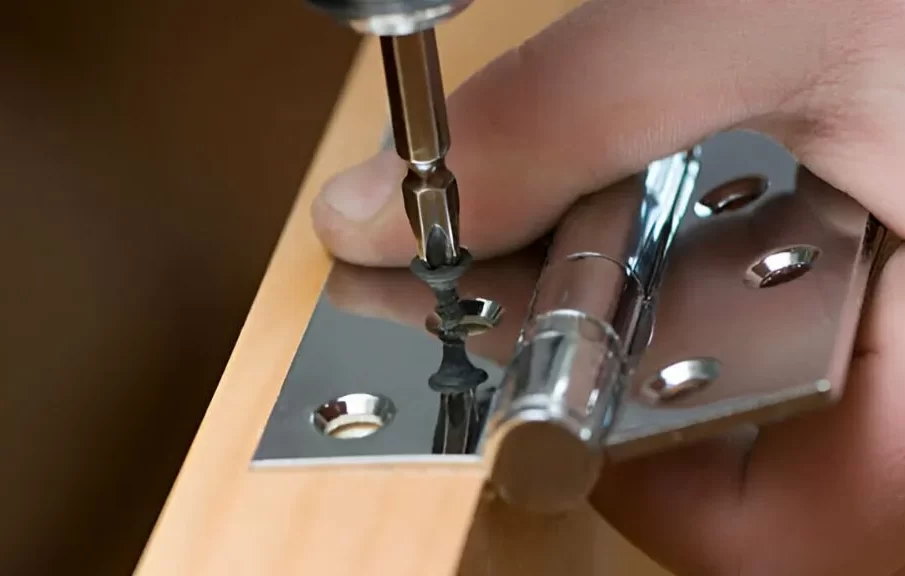
Unlock Smooth Motion in Every Project
We’re woodworkers who’ve faced the frustration of cabinet doors that creak, sag or refuse to stay on track. Early on, we learned that a tiny piece of hardware can make or break the look and function of a build. From snug kitchen cupboards to showroom‑worthy wardrobes, choosing hinges with the right fit and finish ensures every movement feels effortless. Stick around—we’ll share fresh tricks, real‑life blunders and practical tips so you can skip the drama and get straight to that pro finish.
A Tale of Two Doors: Why Quality Matters
I once built a rustic spice rack with charm to spare—but my choice of cheap hinges turned every open‑close into a chore. It got me curious: what makes one hinge durable while another rusts out or loosens in weeks?
- Low‑grade metal can corrode fast, leaving stiff joints
- Poor pin designs let parts wear unevenly
- Inaccurate drilling or pilot holes can stress wood around screws
- Cheap finishes peel and catch dust, speeding up wear
When you opt for solid brass or stainless steel, you invest in longevity. It’s like picking premium ingredients: a little extra cost up front means no nasty surprises down the line.
Matching Hinge Styles to Your Project’s Personality
Not every hinge is cut from the same cloth. You’ll find specific designs that suit different builds:
- Butt Hinges for sturdy cabinet doors—classic, reliable and easy to fit
- Concealed Hinges when you crave that seamless look in a modern kitchen
- Piano Hinges along long box lids for even support and gentle motion
- Spring Hinges that self‑close for snack cabinets or jewellery boxes
Think of your project’s vibe: rustic meets brass butt hinges; sleek melamine calls for hidden hardware. Pick a style that complements your wood’s tone and grain rather than clashes with it.
Material Matters: From Steel to Solid Brass
Your hinge’s material defines its lifespan. We’ve tested plain steel, brass and stainless steel in damp and dry settings. The results weren’t subtle.
- Steel works great indoors, but it can rust near a sink
- Brass resists rust and adds warmth to lighter woods
- Stainless steel is tough, ideal for bathrooms or outdoor builds
- Powder‑coated finishes add an extra shield against moisture
Also consider maintenance: brass develops a mellow patina over time, which some of us love—but if you prefer a fresh look, a transparent lacquer layer will keep that shine longer.
Simple Steps to Pin‑Point Accuracy
You don’t need Pro Tools to nail perfectly aligned hinges. We’ve broken it down into manageable steps that have saved us hours.
- Trace with Precision: Use a sharp pencil and a paper template rather than free‑hand jabs.
- Router or Chisel: Carve a shallow mortise—aim for uniform depth so the door sits flush.
- Pilot the Holes: Drill before driving screws to avoid splitting and guide them straight.
- Temporary Screws: Fit screws loosely, swing the door, then tighten once alignment feels spot on.
- Fine‑Tune: For concealed hinges, tiny adjustment screws shift the door millimetre by millimetre.
Follow these and you’ll avoid awkward gaps or doors that stick.
Real‑World Hiccups and How to Dodge Them
Even after you master the basics, odd things can happen. We’ve compiled common hiccups you might face:
- Squeaks: Usually fixable with a dab of wax or oil—wipe off the excess.
- Loosening Screws: Check every few months and tighten gently to keep things snug.
- Mis‑aligned Doors: If you spot a tilt, loosen screws, nudge the hinge, then re‑secure.
- Rust Spots: Swap to stainless steel or add a transparent sealant layer.
A quick yearly check‑up keeps your doors running smoothly.
Eco‑Friendly and Budget‑Smart Choices
You don’t have to break the bank or harm the planet. We’ve found ways to source quality hinges that marry affordability with green thinking:
- Buy in Bulk: Often cheaper per unit and cuts down on packaging waste.
- Choose Recycled Metals: Some suppliers offer hinges made from reused brass or steel.
- Refurbish Old Hardware: Sandblast and re‑lube hinges from yard sales for a unique finish.
- Local Suppliers: Reduce carbon footprint by skipping long‑distance shipping.
These simple swaps let you build consciously without sacrificing performance.
The Finishing Touch: Maintenance Rituals
Want your hinges to outlast your project? I swear by a quarterly check:
- Lightly sand away any surface rust or grime
- Apply a small drop of food‑grade lubricant on moving parts
- Wipe clean and cycle the door dozens of times to work it in
- Replace any bent or worn screws—cheap spares at DIY stores do the trick
Staying on top of this keeps that smooth glide for years, and you won’t dread a groaning cabinet in the middle of dinner prep.
Ready to Perfect Your Next Build?
We’ve shared fresh angles—from hinge personalities to eco‑friendly picks and simple tweaks to dodge everyday hiccups. Now it’s over to you: test a new style, try brass in a damp space or bulk‑buy for your workshop. Remember, a well‑chosen hinge is like the quiet hero of your project: often overlooked, but vital to performance. We’re here to help you nail every detail, so why not start today? Let’s transform your next piece together—drop us a line and let’s talk hinges that genuinely make a difference.