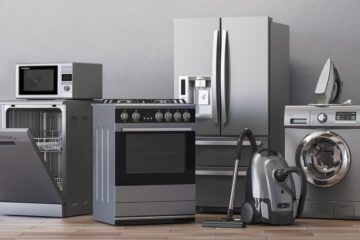
A Comprehensive Guide to Appliances for Modern Living

Appliances have become essential in shaping how households and businesses function today. From making cooking effortless to reducing the time spent on laundry and enhancing home comfort, appliances are at the centre of convenience and efficiency. Understanding how they work, how to maintain them, and how to choose the right ones can help you make smarter decisions that improve quality of life. This guide explores everything you need to know about appliances, with a focus on their functionality, selection, and long-term value.
What Defines an Appliance
An appliance is any device or machine designed to perform a specific domestic or commercial task. They can be powered by electricity, gas, or other energy sources, and are typically divided into two categories:
-
Major appliances: Refrigerators, ovens, washing machines, air conditioners, dishwashers, and similar large household units.
-
Small appliances: Toasters, kettles, vacuum cleaners, food processors, irons, and other portable devices.
Both categories serve different purposes but share the same goal: simplifying daily routines.
The Role of Appliances in Daily Life
Appliances have transformed how people live and work. Before their invention, most domestic chores were labour-intensive. Today, they:
-
Save time by automating tasks like cooking, cleaning, and washing.
-
Improve health and safety through food preservation and air quality control.
-
Provide comfort with climate control and heated water systems.
-
Contribute to productivity in businesses, from offices to restaurants.
Types of Common Household Appliances
Kitchen Appliances
The kitchen is often the heart of the home, and appliances here are crucial for efficiency.
-
Refrigerators and freezers keep food fresh and prevent waste.
-
Ovens and microwaves make meal preparation faster and more versatile.
-
Dishwashers reduce manual effort in cleaning up after meals.
-
Coffee makers and kettles enhance daily routines by providing quick access to hot beverages.
Laundry Appliances
Laundry appliances simplify one of the most repetitive household tasks.
-
Washing machines handle everything from delicate fabrics to heavy loads.
-
Tumble dryers make drying clothes easy regardless of the weather.
-
Irons and steamers help maintain professional and neat appearances.
Climate Control Appliances
Comfort is closely tied to the temperature and air quality in your home.
-
Air conditioners and heaters maintain a pleasant indoor climate.
-
Dehumidifiers prevent mould and improve air quality.
-
Fans provide low-energy cooling options.
Cleaning Appliances
Maintaining hygiene at home is easier with cleaning appliances.
-
Vacuum cleaners effectively remove dust and dirt.
-
Steam cleaners disinfect surfaces without chemicals.
-
Robotic vacuums provide automated, hands-free cleaning.
Choosing the Right Appliance
Selecting the best appliance requires more than just picking a popular model. You should consider:
-
Energy efficiency – Look for appliances with a good energy rating, as they reduce electricity bills and environmental impact.
-
Size and capacity – Choose appliances that fit the available space and match your household’s needs.
-
Features and technology – Smart appliances offer convenience, but it’s worth checking if you’ll use the extra functions.
-
Cost and warranty – Initial price matters, but so does long-term value and reliability.
-
Brand support and service availability – Ensure repair services and spare parts are accessible in your area.
Maintenance Tips for Longevity
Appliances are significant investments, so maintaining them properly ensures they last longer and work efficiently.
-
Regular cleaning: Dust, grease, and food particles can reduce efficiency.
-
Follow manufacturer guidelines: Use appliances as instructed to prevent unnecessary damage.
-
Check filters and vents: Clean or replace them periodically to maintain performance.
-
Avoid overloading: Particularly important for washing machines, dishwashers, and refrigerators.
-
Schedule professional servicing: Annual check-ups can identify and resolve minor issues before they become major problems.
The Rise of Smart Appliances
Modern living has brought a wave of innovation in appliance technology. Smart appliances connect to the internet and offer advanced control through apps and voice assistants. Benefits include:
-
Remote monitoring and control: Turn devices on or off from anywhere.
-
Energy tracking: Monitor consumption and make cost-saving adjustments.
-
Automated updates: Some appliances optimise performance through software upgrades.
-
Integration with home automation: Work seamlessly with security, lighting, and entertainment systems.
Environmental Impact of Appliances
Sustainability is becoming increasingly important when selecting appliances. Energy-hungry machines contribute to carbon emissions and high utility bills. To minimise impact:
-
Choose appliances with energy-efficient ratings.
-
Opt for eco-friendly features such as water-saving modes.
-
Properly recycle old appliances instead of discarding them in landfills.
-
Use appliances wisely by avoiding unnecessary running time.
Future Trends in Appliances
The appliance industry is continuously evolving to meet new demands. Future trends are likely to include:
-
Greater AI integration: Appliances that learn user habits and adjust settings automatically.
-
Sustainable materials: More eco-conscious designs in manufacturing.
-
Compact multifunctional units: Ideal for smaller homes and urban living.
-
Enhanced connectivity: Seamless integration with entire smart home ecosystems.
Frequently Asked Questions (FAQ)
How long should household appliances typically last?
Most appliances last between 8 and 15 years, depending on usage, maintenance, and build quality. For example, refrigerators usually last longer than washing machines or dishwashers.
Are smart appliances worth the investment?
Yes, if you value convenience, remote control, and energy tracking. However, traditional appliances may be more practical if you prefer simplicity and lower upfront costs.
What should I do with old appliances?
Recycling is the best option. Many local councils and retailers offer appliance recycling schemes to ensure materials are reused responsibly.
How do I know if an appliance is energy efficient?
Look for labels with energy ratings. In the UK, appliances are graded from A (most efficient) to G (least efficient). Choosing A-rated appliances helps lower energy bills.
Can small appliances impact electricity bills significantly?
Yes, especially if used frequently. Devices like electric kettles, toasters, and coffee machines may not seem costly individually, but their cumulative effect on energy bills can be substantial.
What are the safety tips for using household appliances?
Avoid overloading sockets, keep appliances away from water sources unless designed for it, and switch off devices when not in use. Regular inspections of cables and plugs are also crucial.