Leaf and Debris Management With Ride-On Mower Sweepers: Best Practices for Autumn Lawn Care
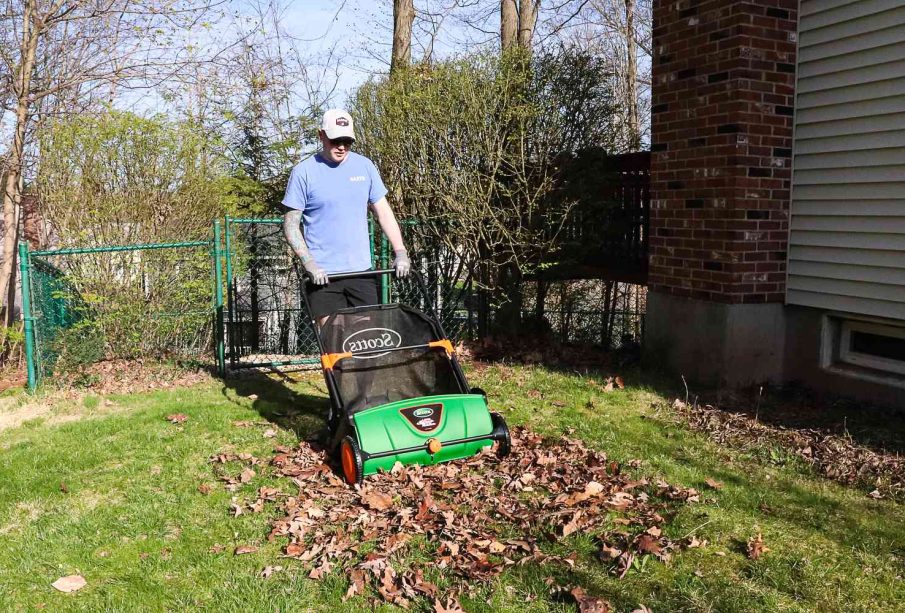
Autumn is one of the most demanding seasons for lawn and garden maintenance. Falling leaves, twigs, seed pods, and general debris can quickly accumulate, covering grass and pathways if left unmanaged. While raking remains a familiar option, it becomes time-consuming and physically demanding on larger lawns. Ride-on mower sweepers offer a far more efficient solution, turning routine autumn clean-up into a faster, more consistent, and less strenuous task.
Ride-on mower sweepers are designed to collect leaves and debris as they are towed behind the mower. Rotating brushes lift material from the lawn surface and deposit it into a hopper, which can later be emptied in a controlled location. This method avoids pushing debris around or compacting it into the turf, helping maintain lawn health while keeping outdoor spaces tidy. For gardens that experience heavy leaf fall, sweepers can dramatically reduce maintenance time during the busiest months of the year.
One of the main advantages of using a sweeper rather than a blower or rake is how gently it treats the lawn. Blowers can force debris into piles but often leave smaller fragments behind, while repeated raking can disturb grass and soil. Sweepers lift debris cleanly, allowing grass to breathe and reducing the risk of disease caused by damp, decomposing leaves. This is especially important in autumn, when cooler temperatures and increased moisture create ideal conditions for fungal problems if debris is left sitting on the turf.
Timing plays a crucial role in effective leaf management. Sweeping little and often is generally more effective than waiting for heavy build-up. Large volumes of wet leaves can clog sweepers and make collection less efficient, whereas lighter, regular passes keep lawns clear with minimal effort. Dry conditions are ideal, as damp leaves are heavier and tend to clump together, reducing collection efficiency and increasing strain on both the sweeper and mower.
Correct setup of the sweeper makes a noticeable difference to results. Brush height should be adjusted so that it makes light contact with the lawn surface without digging into the grass. Brushes set too low can scalp turf or collect excessive soil, while brushes set too high may leave debris behind. Finding the right balance ensures effective collection while protecting lawn structure.
Mower speed is another important consideration. Moving too quickly reduces the time brushes have to lift debris, leading to uneven results. A steady, moderate pace allows the sweeper to work efficiently and fill evenly. Consistency in speed also produces a more uniform finish, particularly on larger lawns where visual appearance matters.
The size of the sweeper hopper influences how often work needs to be paused for emptying. Larger hoppers are well suited to extensive lawns or properties with heavy leaf fall, while smaller hoppers may be sufficient for modest gardens. Regardless of size, emptying the hopper before it becomes overfilled prevents material from spilling back onto the lawn and maintains brush efficiency.
Disposal planning is another aspect that improves workflow. Knowing where debris will be emptied saves time and effort. Compost heaps, garden waste bags, or designated disposal areas should be prepared in advance. Leaves collected by sweepers are ideal for composting, as they are usually clean and evenly gathered, making them easier to manage than hand-raked piles.
Sweepers also excel beyond leaf collection. In autumn, lawns often accumulate acorns, beech mast, pine needles, and small twigs that can interfere with mowing and make surfaces slippery. A sweeper removes these materials efficiently, improving safety and preparing lawns for winter. This versatility increases the value of the attachment, as it remains useful whenever debris accumulates.
Terrain and lawn condition should also be taken into account. Sweepers perform best on reasonably level ground, but many models handle gentle slopes effectively when used carefully. Uneven or heavily rutted lawns may require slower speeds and multiple passes to achieve good results. Regular sweeping can actually help highlight areas that need attention, such as compacted soil or poor drainage.
Maintenance of the sweeper itself contributes to long-term performance. Keeping brushes clean and free from tangled debris ensures consistent rotation and reduces wear. Checking moving parts periodically helps prevent issues during peak use. Because autumn is often when sweepers see the most action, simple maintenance routines can significantly extend their lifespan.
Weather awareness improves results as well. Sweeping immediately after storms or high winds can prevent debris from breaking down into smaller pieces that are harder to collect. However, allowing grass to dry before sweeping avoids pulling up turf or soil. Balancing urgency with conditions leads to better outcomes and less strain on equipment.
For those managing larger gardens or estates, sweepers contribute to a more systematic approach to autumn care. Instead of reacting to debris build-up, users can schedule regular sweeps as part of a broader maintenance routine. This proactive approach keeps lawns healthier and reduces the workload later in the season, when weather conditions become less predictable.
Suppliers such as Garden Machinery Direct often highlight sweepers as one of the most practical autumn attachments because of their broad usefulness and efficiency. When paired with a ride-on mower, a sweeper transforms leaf collection from a labour-intensive chore into a manageable, repeatable process that fits comfortably into routine garden care.
There is also an environmental benefit to using sweepers. Cleanly collected organic material is easier to compost or recycle through green waste schemes. This reduces reliance on plastic bags and encourages sustainable disposal practices. Regular sweeping also helps lawns absorb light and air more effectively, supporting healthier growth with fewer chemical inputs.
From a comfort perspective, using a ride-on mower with a sweeper significantly reduces physical strain. Extended periods of raking can cause fatigue or injury, particularly for those with larger properties. Sitting comfortably while the mower does the work makes autumn maintenance more accessible and less exhausting, encouraging consistent care rather than rushed clean-ups.
Viewed in practical terms, sweepers are not about achieving perfection but about maintaining balance. Clearing debris efficiently allows lawns to recover before winter and reduces problems in spring. When autumn care is handled methodically, grass enters the colder months in better condition, resulting in stronger growth when temperatures rise again.
Seen this way, ride-on mower sweepers are an investment in both efficiency and lawn health.
They simplify one of the most demanding seasonal tasks and help property owners stay ahead of autumn’s challenges. By adopting best practices around timing, setup, and maintenance, sweepers become reliable tools that deliver consistent results year after year, turning autumn clean-up into a manageable and even satisfying part of garden care.