Roofing: A Complete Guide for Homeowners and Property Managers
Roofing is one of the most vital aspects of any building, providing structural integrity, energy efficiency, and weather protection. Whether you are a homeowner planning a renovation, a property manager maintaining multiple units, or someone building a new property, understanding roofing in detail can save money, increase property value, and enhance safety. This article explores roofing materials, installation methods, maintenance practices, and modern innovations, ensuring you have all the information needed to make informed decisions.
Importance of Roofing
The roof is more than just a shelter overhead. It plays multiple roles in protecting and enhancing a property:
-
Weather protection: Shields interiors from rain, wind, snow, and sun.
-
Energy efficiency: A properly insulated roof reduces heating and cooling costs.
-
Structural stability: Supports walls and overall building framework.
-
Aesthetic appeal: Shapes the architectural look of a house or building.
-
Long-term investment: Quality roofing increases resale value and reduces repair costs.
Types of Roofing Materials
Choosing the right material is crucial, as it impacts cost, longevity, and performance. Below are the most common options:
Asphalt Shingles
-
Widely used due to affordability and versatility.
-
Easy to install and available in different colours and styles.
-
Lifespan: 20–30 years with proper maintenance.
Slate Roofing
-
Natural stone, known for elegance and durability.
-
Fire-resistant and weatherproof.
-
Lifespan: Over 75 years, but heavy and costly.
Clay and Concrete Tiles
-
Excellent for warmer climates due to thermal resistance.
-
Adds a Mediterranean or traditional appearance.
-
Lifespan: 50–100 years.
Metal Roofing
-
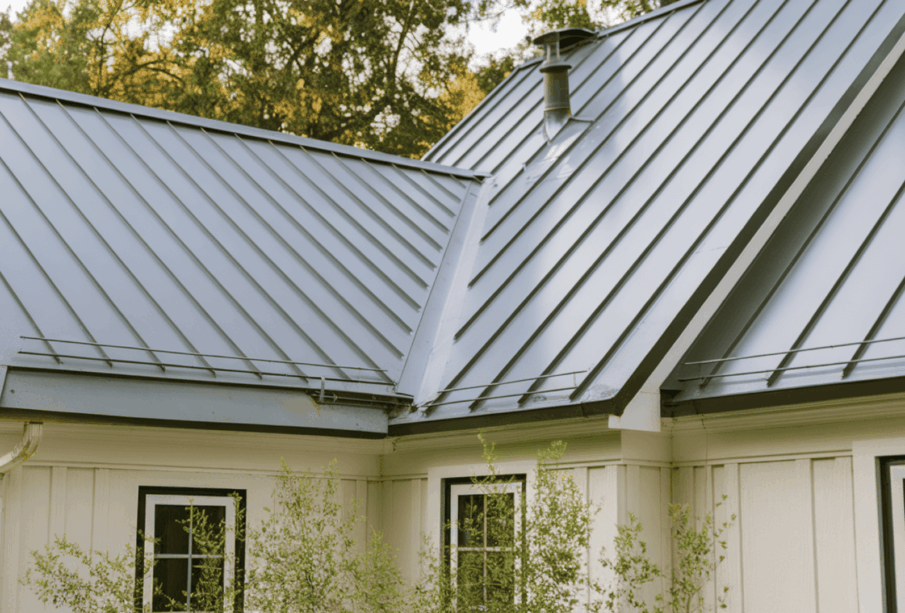
Lightweight, durable, and energy-efficient.
-
Available in steel, aluminium, zinc, or copper.
-
Lifespan: 40–70 years.
Flat Roofs with Membranes
-
Popular for modern homes and commercial buildings.
-
Made from materials like EPDM (rubber) or TPO (thermoplastic).
-
Require careful installation to avoid leaks.
Green Roofs
-
Covered with vegetation for natural insulation.
-
Environmentally friendly and improves air quality.
-
Require professional maintenance.
Key Factors to Consider Before Roofing
When planning a new roof or replacement, consider the following:
-
Budget: Costs vary widely between materials.
-
Climate: Local weather impacts material choice and durability.
-
Weight: Some materials like slate require stronger structural support.
-
Aesthetics: Roofing influences the look of the property.
-
Energy efficiency: Insulation and reflectivity can lower energy bills.
-
Local building codes: Regulations may restrict certain materials or styles.
Installation Methods and Best Practices
Proper installation ensures longevity and safety. Key steps include:
-
Inspection: Assess existing structure for damage.
-
Preparation: Remove old materials and repair underlying surfaces.
-
Waterproofing: Apply underlayment to prevent leaks.
-
Ventilation: Adequate airflow prevents moisture build-up.
-
Proper fastening: Secure tiles, shingles, or panels with correct techniques.
-
Professional installation: Hiring skilled contractors guarantees better results.
Roofing Maintenance Tips
Regular maintenance prevents costly repairs. Property owners should:
-
Inspect roofs twice yearly, especially after storms.
-
Clear gutters and downpipes to prevent water pooling.
-
Remove moss, algae, or debris that may damage materials.
-
Check for loose or missing shingles and tiles.
-
Ensure flashing around chimneys and vents is intact.
Modern Innovations in Roofing
Advancements in technology have transformed roofing, offering smarter and more sustainable options:
-
Solar roofing: Panels integrated directly into tiles for energy production.
-
Cool roofing: Reflective coatings that reduce heat absorption.
-
Synthetic materials: Lightweight alternatives to traditional slate and tiles.
-
Smart sensors: Monitor leaks, moisture, and structural stress.
Common Roofing Problems and Solutions
-
Leaks: Often caused by cracked flashing or missing shingles; repair or replace damaged sections.
-
Sagging: Indicates structural weakness; requires reinforcement.
-
Blistering: Caused by trapped moisture; re-roofing may be necessary.
-
Poor ventilation: Leads to mould and rot; install ridge vents or soffit vents.
Environmental and Energy Considerations
Sustainable roofing choices can reduce environmental impact while saving money:
-
Use recycled or recyclable materials.
-
Opt for energy-efficient coatings and insulation.
-
Install rainwater harvesting systems on sloped roofs.
-
Choose green or solar-integrated solutions.
Cost and Investment Value
Roofing costs vary significantly based on size, material, and installation method:
-
Asphalt shingles: Affordable initial investment but shorter lifespan.
-
Metal roofing: Higher upfront cost but excellent long-term savings.
-
Slate and tiles: Expensive but increase property value.
-
Green roofs: Eco-friendly but require higher maintenance budgets.
A well-planned investment not only enhances comfort but also provides excellent resale returns.
Safety Measures in Roofing
Roofing work involves risks, and safety should always be a priority:
-
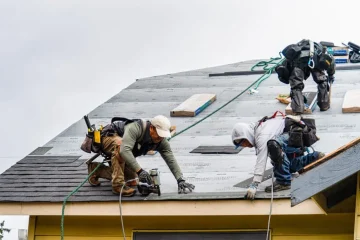
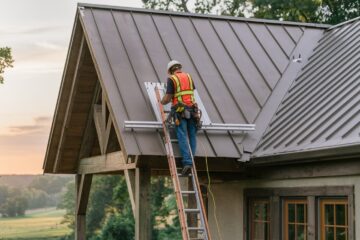
Use harnesses and scaffolding when working at heights.
-
Wear non-slip footwear and protective gear.
-
Avoid roofing during wet or windy weather.
-
Hire certified professionals for complex tasks.
Future of Roofing
The future is moving towards smart, eco-conscious, and self-sustaining roofs. With climate change and rising energy costs, homeowners and businesses increasingly prefer roofing solutions that balance durability, energy efficiency, and sustainability.
FAQs on Roofing
What is the average lifespan of a roof?
It depends on the material. Asphalt shingles last 20–30 years, while slate and tiles can exceed 70 years with proper care.
How often should I inspect my roof?
At least twice a year, typically in spring and autumn, and after any severe weather events.
Can I install solar panels on an existing roof?
Yes, but the roof must be structurally sound and have adequate orientation to capture sunlight effectively.
What is the most cost-effective roofing material?
Asphalt shingles are generally the most budget-friendly, though metal roofs provide better long-term value.
How do I know if my roof needs replacement?
Signs include frequent leaks, missing shingles, sagging, and visible wear after decades of service.
Are green roofs practical for all properties?
Not always. They require flat or slightly sloped roofs, additional structural support, and regular maintenance.
Can roofing improve energy efficiency?
Yes, energy-efficient materials, proper insulation, and reflective coatings can significantly reduce heating and cooling costs.