Home Kitchen: The Heart of Modern Living
A home kitchen is far more than just a place to cook; it is the centrepiece of family life, hospitality, and creativity. For many homeowners, the kitchen reflects lifestyle choices, cultural traditions, and even aspirations for healthier living. Designing, organising, and maintaining a home kitchen effectively requires a blend of practicality, style, and functionality. This guide explores every dimension of the modern home kitchen, from design layouts to storage solutions and essential appliances, while offering practical tips to make the space efficient and enjoyable.
Importance of a Home Kitchen
The home kitchen has evolved into the most social space in the house. It brings family and friends together and often serves as a hub for conversations, gatherings, and shared meals. Beyond its social role, the kitchen is vital for:
-
Preparing nutritious meals and encouraging healthier eating
-
Offering space for creativity and experimentation with food
-
Acting as a multi-functional area for dining, working, and entertaining
-
Adding long-term value to a property when designed thoughtfully
Popular Kitchen Layouts
The layout is the backbone of any kitchen design. It defines how easy it is to move around, prepare meals, and keep the space organised.
L-Shaped Kitchen
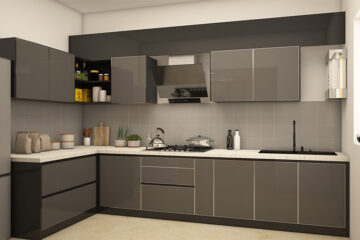
This layout makes use of two adjoining walls, forming an “L”. It is versatile and perfect for both small and large homes. It provides ample counter space and allows for an open dining area nearby.
U-Shaped Kitchen
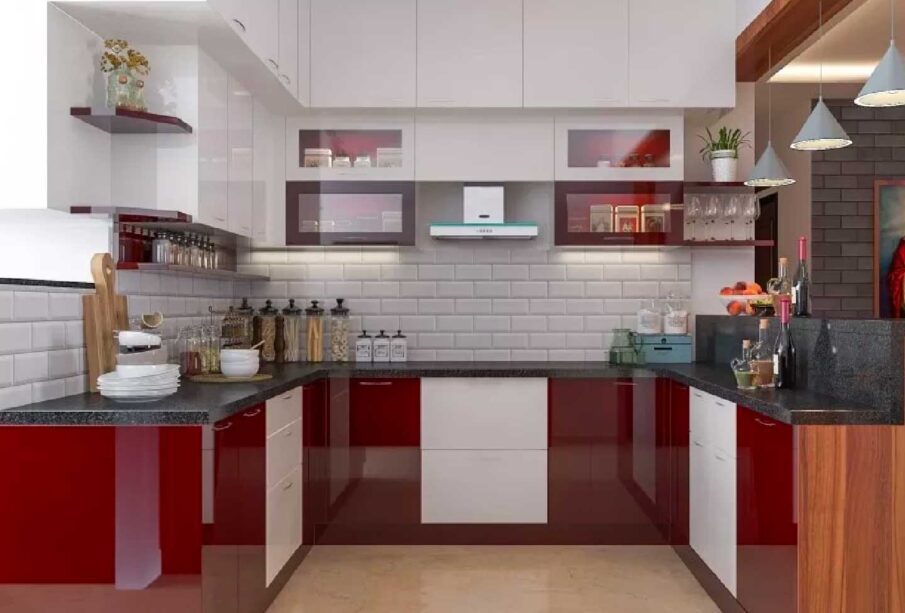
Designed with three walls of cabinets and appliances, the U-shaped layout maximises storage. It is suitable for households that require extra workspace, especially when multiple people are cooking at the same time.
Galley Kitchen
With two parallel runs of units, the galley kitchen is practical for compact homes. It creates an efficient work triangle and ensures every item is within easy reach.
Island Kitchen
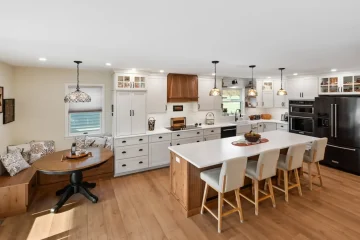
Adding a central island provides extra counter space, seating, and storage. An island kitchen is highly desirable in modern homes as it doubles as a dining spot or workspace.
Key Elements of a Functional Home Kitchen
A well-designed kitchen balances aesthetics with utility. The following elements are essential to achieve that harmony.
Work Triangle
The classic kitchen principle involves creating a smooth flow between the sink, stove, and refrigerator. This reduces unnecessary movement and makes cooking more efficient.
Lighting
Good lighting sets the mood and enhances safety. Combining ambient lighting with task lighting over counters ensures functionality. Pendant lights over an island add both style and practicality.
Storage Solutions
Smart storage keeps a kitchen clutter-free. Options include:
-
Pull-out drawers for pots and pans
-
Vertical shelving for spices and dry goods
-
Overhead cabinets with soft-close hinges
-
Hidden compartments for bins and recycling
Ventilation
A quality extractor hood or ventilation system removes smoke, odours, and grease, maintaining a fresh and clean kitchen environment.
Materials and Finishes
Durable countertops, splashbacks, and flooring not only add to the look but also withstand daily wear. Granite, quartz, ceramic tiles, and hardwood are popular choices.
Essential Kitchen Appliances
Modern kitchens depend on efficient appliances that save time and energy. Some essentials include:
-
Refrigerator: Keeps food fresh and allows for bulk shopping
-
Oven and Hob: Central for cooking, baking, and roasting
-
Microwave: Convenient for quick reheating
-
Dishwasher: Reduces time spent on cleaning
-
Small appliances: Mixers, blenders, and coffee machines make daily tasks easier
Energy-efficient models are recommended as they lower bills and support sustainability.
Home Kitchen Décor and Style
While functionality is crucial, the kitchen’s style sets the tone for the entire home. Choices vary widely:
-
Modern: Sleek cabinetry, integrated appliances, and minimal clutter
-
Rustic: Wooden finishes, stone surfaces, and earthy tones
-
Traditional: Classic cabinets, ornate handles, and warm lighting
-
Industrial: Exposed brick, steel fittings, and bold surfaces
Adding personal touches such as plants, artwork, or open shelving with decorative items gives the space warmth and character.
Trends in Modern Home Kitchens
The modern home kitchen continues to evolve with lifestyle demands. Current trends include:
-
Smart appliances that connect to apps and voice assistants
-
Sustainable materials like bamboo or recycled glass
-
Open-plan kitchens that blend into living areas
-
Multi-purpose islands with built-in sinks or storage
-
Handleless cabinets for a streamlined look
These innovations make kitchens more convenient, stylish, and environmentally conscious.
Maintaining a Clean and Organised Kitchen
Daily maintenance ensures a kitchen remains hygienic and welcoming. Practices include:
-
Wiping counters and sinks after each use
-
Cleaning appliances regularly to extend their lifespan
-
Using drawer organisers to separate cutlery and utensils
-
Rotating pantry items to prevent food waste
-
Deep cleaning floors and cupboards every few weeks
Consistency is key to keeping the kitchen fresh and inviting.
Cost Considerations in Kitchen Design
Budget planning is vital when building or renovating a kitchen. Costs can be divided into:
-
Cabinetry and fittings: Often the largest expense
-
Appliances: Ranging from standard to premium
-
Countertops and flooring: Varying by material choice
-
Lighting and accessories: Essential for functionality and design
-
Labour and installation: Professional services ensure durability
Homeowners can balance quality and cost by mixing premium features with budget-friendly options.
The Kitchen as a Lifestyle Statement
Today’s kitchen is not just about cooking but about lifestyle. Families dine together, children do homework at the island, and guests gather during social events. The kitchen reflects priorities such as sustainability, wellness, and a love for food. It has become a space where function and lifestyle converge seamlessly.
FAQs About Home Kitchens
What is the best layout for a small home kitchen?
A galley or L-shaped layout works best in smaller kitchens, as they maximise storage and provide efficient movement.
How can I make my home kitchen eco-friendly?
Choose energy-efficient appliances, install LED lighting, and opt for sustainable materials like bamboo or reclaimed wood.
What colours work best in a modern kitchen?
Neutral tones such as white, grey, or beige create a clean look, while accents of bold colours like navy or green can add depth and character.
How often should I deep clean my kitchen?
A deep clean every four to six weeks keeps the kitchen hygienic, but daily wiping and weekly organisation are essential.
Is an island necessary in a home kitchen?
Not always. While an island adds space and seating, smaller kitchens may function better without one. Alternatives include foldable tables or mobile carts.
What are budget-friendly ways to upgrade a kitchen?
Painting cabinets, changing handles, updating lighting, and adding open shelves are cost-effective upgrades that can make a significant impact.