The Ultimate Guide to Building and Maintaining a Home Garden
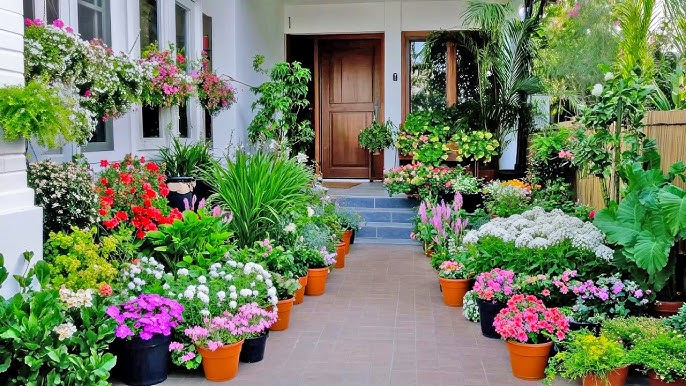
A home garden is more than a patch of greenery outside your house; it is a source of fresh produce, a haven for relaxation, and an opportunity to connect with nature. With the right planning and consistent care, your home garden can flourish all year round. Whether you are working with a small balcony space or a large backyard, a well-structured garden can add beauty and purpose to your living environment. Many homeowners now view a home garden as an essential part of sustainable living, blending practicality with lifestyle improvement.
Why Start a Home Garden
A home garden brings multiple benefits to your household. It provides access to organic fruits, vegetables, and herbs, reduces household expenses, and improves the overall appeal of your property. Beyond the practical side, gardening is a proven stress reliever that enhances both physical and mental well-being. It also encourages outdoor activity and creates a family-friendly space where children can learn about responsibility and the natural world.
Planning Your Garden Space
Before you begin planting, planning is crucial. Start by evaluating the size of your available area, sunlight exposure, soil quality, and access to water. Create a garden layout that balances ornamental plants with edible ones. Think about how much time you can dedicate to upkeep. A small raised bed or container garden may be more manageable for beginners compared to a large plot that requires frequent maintenance.
Key Planning Considerations
-
Sunlight requirements: Most vegetables and flowering plants need at least 6 hours of direct sunlight daily.
-
Soil preparation: Healthy soil with good drainage is essential. You may need to mix compost, sand, or organic matter to improve quality.
-
Water access: Position plants where watering is convenient. Installing a drip irrigation system saves time and reduces water wastage.
-
Plant grouping: Arrange crops and plants according to their growth needs to maximise yield and efficiency.
Choosing Plants for Your Home Garden
The right selection of plants will determine how enjoyable and successful your garden becomes. Think about what grows best in your climate and what your family consumes most.
Vegetables and Herbs
-
Tomatoes, cucumbers, peppers, and spinach are popular for beginners.
-
Herbs like basil, mint, coriander, and thyme thrive in pots and can be grown year-round.
-
Root vegetables such as carrots and radishes are space-efficient and easy to manage.
Flowers and Ornamentals
-
Seasonal flowers like marigolds, petunias, and pansies add vibrant colour.
-
Perennial plants such as lavender and roses enhance fragrance and long-lasting beauty.
-
Hanging baskets and climbers provide vertical appeal in smaller spaces.
Fruit Plants
-
Strawberries and blueberries work well in containers.
-
Citrus trees can be grown in larger pots or small backyard plots.
-
Grapevines and passionfruit add greenery and seasonal harvests.
Soil Health and Composting
Soil is the foundation of any thriving home garden. To enrich it naturally, consider composting kitchen scraps like vegetable peelings, coffee grounds, and eggshells. Compost provides essential nutrients, improves soil texture, and helps retain moisture. Testing your soil pH and adjusting it with lime or sulphur ensures the right conditions for plant growth. Mulching around plants further conserves moisture and prevents weed growth.
Watering and Irrigation
Consistent watering is one of the most important aspects of garden care. Overwatering can cause root rot, while underwatering stresses the plants. Morning is the ideal time for watering as it reduces evaporation. Drip irrigation and soaker hoses deliver water directly to plant roots, conserving resources and ensuring deep hydration.
Pest and Disease Management
Garden pests can be frustrating, but natural remedies can help maintain balance. Introducing beneficial insects like ladybirds and lacewings reduces harmful pests such as aphids. Neem oil sprays, garlic water, and soap solutions work as organic pesticides. Crop rotation and proper plant spacing also prevent the spread of soil-borne diseases.
Seasonal Care and Crop Rotation
Each season offers opportunities for new planting. Spring and early summer are best for vegetables and flowers, while late summer and autumn provide opportunities for root crops and leafy greens. Crop rotation ensures soil fertility and reduces pest build-up. By alternating plant families each season, you allow the soil to recover and remain productive.
Incorporating Garden Design Elements
Your home garden should not only be productive but also visually appealing. Adding pathways, raised beds, and trellises makes navigation easier and enhances design. Seating areas such as benches or hammocks turn your garden into a retreat. Birdbaths, fountains, and decorative pots bring additional charm and biodiversity.
Eco-Friendly Gardening Practices
Sustainable gardening benefits both your home and the environment. Collecting rainwater in barrels, reusing grey water where safe, and choosing native plants reduces your ecological footprint. Organic gardening eliminates harmful chemicals and fosters a balanced ecosystem. Even small changes, like planting pollinator-friendly flowers, can make a positive impact.
The Role of a Home Garden in Family Life
Gardening is a wonderful family activity. It teaches children patience, responsibility, and environmental awareness. Growing their own food also encourages them to eat more vegetables. Families often find that tending to a home garden strengthens bonds as everyone contributes to its care and enjoys the harvest together.
Expanding Your Garden Over Time
As you gain experience, you may wish to expand your garden. Adding greenhouses, vertical gardens, or hydroponic systems increases your yield and allows for year-round production. Introducing compost bins, rainwater harvesting systems, and solar-powered lighting makes your garden more efficient and sustainable.
FAQs About Home Gardens
How do I start a home garden with limited space?
You can start with containers, balcony planters, or vertical gardens. Herbs, lettuce, and cherry tomatoes grow well in pots.
What is the easiest vegetable to grow for beginners?
Lettuce, radishes, and spinach are quick-growing and require minimal care, making them ideal for new gardeners.
How can I keep my garden pest-free without chemicals?
Use natural solutions such as neem oil spray, introduce beneficial insects, and rotate crops to prevent pest build-up.
Is it possible to grow fruit trees in small gardens?
Yes, dwarf varieties of citrus, apple, and pear trees thrive in pots and small spaces if given proper care.
How often should I water my plants?
Watering depends on the season, soil type, and plant variety. A general rule is to keep the soil moist but not waterlogged, with deeper watering once or twice a week.
Can a home garden reduce household costs?
Yes, growing your own fruits, vegetables, and herbs saves money on grocery bills while providing healthier, fresher produce.