Why Damp Proofing Specialists Matter for a Dry, Healthy Home
Protecting Your Space, Protecting Your Peace of Mind
Who We Are and Why We Care
We’re a team that’s seen walls weep and floors feel damp, so we know what it’s like when a home loses its comfort. Over years of working on properties across the UK, we’ve heard worries, sniffed musty corners, and fixed issues that seemed small but hid deeper trouble. We share insights here from our hands-on experience. If you’ve ever wondered whether to tackle damp yourself or seek a pro, you’re in the right place. In this intro, we highlight why damp proofing specialists matter and how early action can save stress. Expect plain talk, a dash of humour, and tips you can use.
Spotting Damp Before It Grows
You might notice a faint smell or a patch on a wall. Maybe the windows feel wetter than usual. Often, signs start small. A quick fix seems tempting: slap on some paint or hang up a dehumidifier. But that can mask the real cause. Think of damp like a sneaky guest who arrives quietly but stays long. By the time it’s obvious, timber might be soft, and mould may spread. So, pause and check more closely. Walk around rooms with fresh eyes after rain. Feel skirting boards, sniff corners, glance at ceilings. If something feels off, don’t brush it aside.
Causes Explained in Everyday Words
Damp tends to show up for a few reasons. Rising dampness happens when moisture creeps up from the ground into brick or plaster. Penetrating dampness appears when rain or leaks find cracks to slip through. Condensation builds in poorly aired rooms, especially after steamy showers. Sometimes, gutters overflow, letting water trickle down walls. Each cause needs a different fix. If you chase the wrong culprit, you end up chasing your tail. That’s why knowing the root matters. You might try clearing a gutter yet still see damp. It’ll frustrate you. A specialist uses simple tools—moisture meters, visual checks—and authentic experience to work out the source. It’s like diagnosing an illness rather than just treating a symptom.
Practical Steps You Can Try
Before calling someone, there are low-effort things you can do. Clear leaves from gutters so rainwater flows away from walls. Crack open a window after bathing to let steam escape. Move a chair or bookshelf a bit from the wall, so air circulates. These habits often help with minor issues. But if dampness returns quickly or spreads, it signals a deeper problem. At that point, you’ll thank yourself for not ignoring early hints.
Why Expert Insight Pays Off
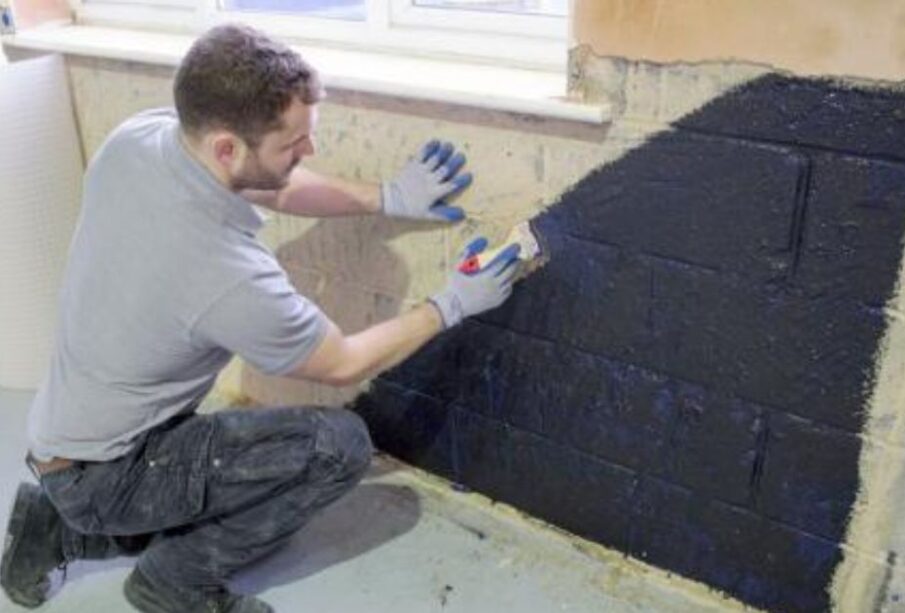
Imagine patching a hole in a tyre but not finding the nail. You’d be back on the roadside soon enough. Similarly, slapping on sealant without knowing if dampness is rising or penetrating may bring short-lived relief. A specialist inspects inside and outside, sometimes checking at ground level and inside loft spaces. They test moisture levels, inspect membranes or damp-proof courses, and pinpoint weak spots. Then they recommend a tailored plan: maybe renewing a damp-proof course, repointing brickwork or adding simple ventilation. It might feel like extra effort at first, but it prevents repeated fix-ups.
Real-Life Scenario
A homeowner tried sealing a damp patch in an older cottage. It reappeared weeks later, bigger this time. Frustrated, they called us. We found the original damp-proof course was failing, and rainwater was pooling near the base of a wall. After replacing the barrier and adjusting ground levels, the damp vanished. It took a couple of days but spared months of worry. Stories like this aren’t rare. They show why a bit of expertise goes a long way.
Long-Term Benefits of Getting It Right
When you fix dampness properly, you breathe easier—literally. Mould retreats, air feels fresher. Walls stay solid, so you avoid costly repairs later. Your home feels snug, not chilly or clammy. Buyers tend to trust dry homes more, so property value holds up. And there’s peace of mind in knowing the issue won’t pop back unexpectedly. Treating damp well is like fitting good brakes on a car: an upfront step that keeps things smooth down the road.
How We Can Help You Next
We’ve shared clear pointers: watch for early signs, try simple checks, know common causes, and see why expert input matters. We talk plainly because jargon only confuses us. If you choose to learn more, we’ll listen to your concerns, inspect carefully, and explain options in everyday language. No pressure, no tricks—just honest advice from people who’ve been there.
We believe a dry home is a happier home. Let us guide you through practical steps and, if needed, professional fixes. That way, you avoid wasted effort and unexpected costs.
Feel ready to act? Reach out for a friendly chat. We’ll help you keep dampness at bay so your home stays safe, healthy and welcoming.