Standard vs Permeable Block Paving: Which Do You Need?
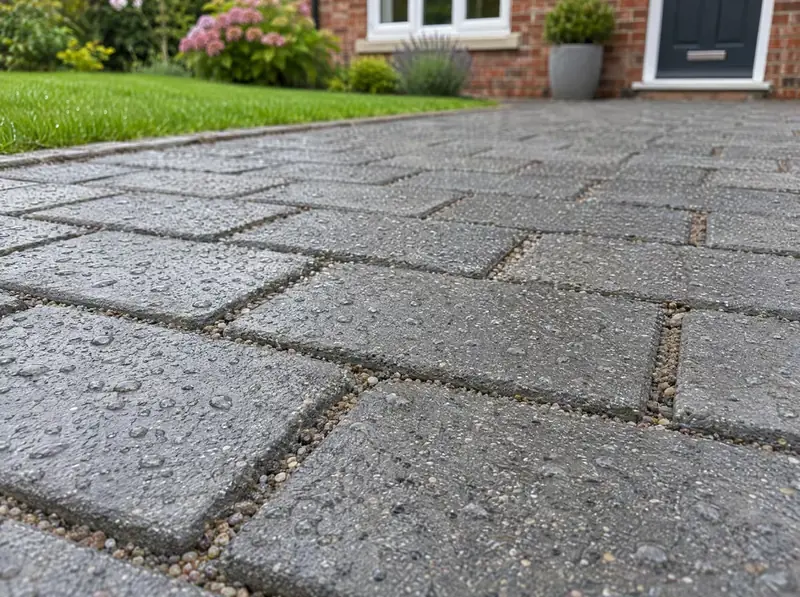
Block paving is a popular choice for driveways, patios, garden paths and other external surfaces. Its versatility, durability and range of finishes make it suitable for properties of different architectural styles. However, before choosing a design, it is important to consider how the paving will manage rainwater.
The decision between Standard Block Paving and permeable block paving is not simply about appearance. Both systems have different construction methods, drainage characteristics and installation requirements. Choosing the appropriate option can influence how well your driveway performs during heavy rainfall and how much maintenance it needs over time.
Builders merchants such as William Hercock can help homeowners and contractors identify suitable paving materials and supporting products for their projects.
Understanding the differences between these two systems will help you select a surface that meets your property’s practical requirements while complementing its appearance.
What Is Standard Block Paving?
Standard block paving is a conventional paving system made using individual concrete or clay blocks laid across a prepared sub-base.
The blocks are arranged in a chosen pattern, with small joints between each unit. Kiln-dried jointing sand is typically brushed into these gaps to help lock the blocks together and distribute loads across the surface.
It is widely used for:
- Residential driveways.
- Garden patios.
- Footpaths and walkways.
- Commercial pedestrian areas.
One of its biggest attractions is design flexibility. Blocks are available in different colours, textures, shapes and thicknesses, allowing homeowners to create anything from traditional herringbone patterns to contemporary geometric layouts.
However, standard block paving is generally designed to shed surface water rather than allow substantial infiltration through its surface.
How Does Standard Block Paving Work?
A conventional block paving installation relies on a carefully prepared layered structure.
The typical construction includes:
Excavated formation: The existing ground is removed to create sufficient depth for the paving structure.
Sub-base: A compacted layer of suitable aggregate provides stability and distributes loads.
Bedding layer: A relatively thin layer of sharp sand creates an even surface for laying the blocks.
Paving blocks: Individual units are placed in the selected pattern.
Jointing sand: Kiln-dried sand is brushed into the joints to secure the blocks.
Because standard paving is not designed as an infiltration system, surface water generally runs towards drainage channels, gullies or other suitable collection points.
This makes drainage planning particularly important.
What Is Permeable Block Paving?
Permeable block paving is designed to allow rainwater to pass through the surface and into a specially constructed sub-base beneath it.
Unlike conventional paving, which uses tightly filled joints, permeable systems typically feature wider joints filled with clean, graded aggregate.
The blocks themselves may be conventional-looking concrete units, specially manufactured permeable blocks or other suitable paving products.
The system is designed to manage rainwater close to where it falls, reducing the volume of surface runoff entering conventional drainage networks.
This approach is particularly useful in areas where surface-water management is an important consideration.
How Does Permeable Block Paving Manage Rainwater?
The principal difference lies beneath the paving.
Permeable systems use a carefully designed arrangement of voids within the jointing material and sub-base aggregate to temporarily store and manage rainfall.
The process generally works as follows:
- Rainwater passes through the permeable joints.
- Water enters the open-graded aggregate bedding layer.
- The permeable sub-base temporarily stores the water.
- Depending on the ground conditions and system design, water infiltrates into the surrounding soil or is discharged through a controlled outlet.
This arrangement can reduce surface-water runoff and help alleviate pressure on conventional drainage infrastructure.
However, permeability depends on the complete installation rather than the paving blocks alone. A suitable sub-base, ground assessment and appropriate drainage design are essential.
The Main Differences Between Standard and Permeable Block Paving
Although both options can provide an attractive and durable surface, their construction and drainage characteristics differ.
| Feature | Standard block paving | Permeable block paving |
| Main purpose | Durable external surface | Surface and rainwater management |
| Jointing material | Kiln-dried jointing sand | Clean, graded aggregate |
| Bedding layer | Conventional sharp sand | Open-graded aggregate |
| Sub-base | Compacted conventional aggregate | Specialist permeable aggregate |
| Water management | Surface runoff | Water passes through the surface |
| Installation | Generally simpler | Requires more detailed design |
| Maintenance | Joint replenishment and cleaning | Joint cleaning and permeability maintenance |
Neither option is universally better. The right choice depends on the intended use, ground conditions, drainage arrangements and project requirements.
Understanding Drainage Requirements and SuDS Regulations
Sustainable Drainage Systems, commonly known as SuDS, are designed to manage rainfall in a way that reduces flooding risks and limits pressure on drainage networks.
Permeable paving can form part of a SuDS strategy by allowing water to infiltrate or be stored temporarily.
In England, permitted development rules for household driveways generally require suitable provision for surface-water drainage. Where a new or replacement driveway exceeds five square metres, using a permeable or porous surface, or directing runoff to a suitable permeable area within the property, is generally necessary unless the relevant planning permission has been obtained.
This does not mean every driveway must use permeable blocks. Standard paving can still be appropriate where water drains to a suitable lawn, border or other compliant drainage arrangement.
Local planning requirements and site-specific conditions should always be checked before installation.
Comparing Installation Costs and Preparation Requirements
Standard block paving is often less complicated to install because its construction follows a familiar sequence.
Permeable paving can involve additional design considerations, including:
- Soil infiltration capacity.
- Groundwater levels.
- Sub-base depth and aggregate grading.
- Water storage requirements.
- Possible overflow arrangements.
- Protection against contamination from surrounding surfaces.
These requirements can increase installation costs, particularly where the ground is unsuitable for straightforward infiltration.
However, the overall expense should be assessed against the drainage benefits and the long-term requirements of the property.
Obtaining a detailed quotation that covers excavation, materials, preparation and drainage is advisable.
Maintenance Requirements for Both Paving Systems
Both paving systems require periodic maintenance, although their needs differ.
Standard block paving generally requires occasional sweeping, weed removal and replenishment of jointing sand where necessary.
Permeable paving requires particular attention to keeping its joints and surface free from sediment.
Fine soil, leaves and organic debris can gradually block the openings through which rainwater passes.
Useful maintenance practices include:
- Regularly removing leaves and debris.
- Sweeping the surface with suitable equipment.
- Avoiding excessive accumulation of soil.
- Replenishing jointing aggregate with compatible material.
- Checking drainage outlets and overflow arrangements.
Pressure washing should be approached carefully, as excessive force can dislodge jointing material and compromise the paving structure.
Which Block Paving Is Best for Driveways?
Driveways experience repeated vehicle movements and concentrated loading, making structural preparation essential.
Standard block paving can be an excellent choice where suitable drainage arrangements are available and the sub-base is designed for the anticipated vehicle loading.
Permeable block paving is particularly useful where managing rainfall at source is a priority.
For driveways exposed to frequent rainfall or located in areas with surface-water management concerns, a properly designed permeable system may offer additional practical benefits.
The paving thickness, sub-base depth and installation specification should reflect whether the surface will accommodate cars, vans or heavier vehicles.
Which Option Is Better for Patios and Garden Paths?
For patios and garden paths, appearance and everyday usability are often the main considerations.
Standard paving offers considerable flexibility in colour, texture and laying patterns. It is particularly suitable where the surrounding garden already provides effective drainage.
Permeable paving can be useful for larger patios or paved areas where reducing runoff is desirable.
However, the choice should also account for furniture placement, foot traffic, accessibility and the potential for sediment or soil to enter the paving joints.
A well-designed installation should balance visual appeal with practical water management.
Factors to Consider Before Choosing Your Paving
Before purchasing materials, assess the following:
Ground conditions: Determine whether the soil can absorb water effectively.
Intended use: Consider pedestrian traffic, vehicle loading and the overall purpose of the paved area.
Drainage arrangements: Establish where rainwater will go and whether additional drainage infrastructure is required.
Budget: Compare material costs alongside excavation, preparation and installation expenses.
Appearance: Choose a colour, shape and texture that complements the property.
Maintenance: Consider how much time and effort you are prepared to dedicate to cleaning and upkeep.
Taking these factors into account can help prevent costly alterations later.
Common Block Paving Installation Mistakes to Avoid
Poor installation can undermine even high-quality paving materials.
Some common mistakes include:
- Failing to excavate to the required depth.
- Using an unsuitable or poorly compacted sub-base.
- Neglecting drainage requirements.
- Incorrectly preparing the bedding layer.
- Using the wrong jointing material.
- Failing to establish appropriate levels and gradients.
For permeable systems, contamination of the aggregate layers with fine soil or ordinary bedding sand can significantly reduce infiltration performance.
Following the manufacturer’s installation guidance and using suitable materials throughout the construction process is essential.
Conclusion: Making the Right Investment for Your Property
Standard and permeable block paving both offer practical solutions for improving external spaces, but they serve slightly different purposes.
Standard block paving provides design flexibility, durability and a familiar installation method, provided surface water is managed appropriately. Permeable paving offers an integrated drainage solution that allows rainfall to pass through the surface and into a specially designed sub-base.
The right choice depends on your property’s drainage requirements, ground conditions, intended use and budget.
By assessing these factors before starting work and selecting compatible materials, you can create an attractive, durable paved surface that performs effectively for years to come.