How Roofing Quality Affects Property Value
A roof does far more than keep out rain. Roofing quality directly influences a property’s market value, buyer confidence, and long-term ownership costs. Whether you’re planning to sell soon or protect an investment for decades, understanding how roofing choices impact value helps you make smarter decisions.
First Impressions Start at the Roof
Buyers often form an opinion within seconds of seeing a home. A roof in good condition signals care and reliability, while visible wear raises red flags.
High-quality roofing improves curb appeal by:
-
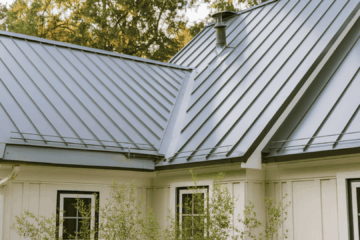
Providing clean lines and consistent color
-
Complementing architectural style
-
Showing signs of recent maintenance or installation
A well-presented roof can elevate perceived value before buyers even step inside.
Structural Integrity and Buyer Confidence
Beyond looks, buyers want assurance that a home is structurally sound. Roofing quality plays a key role in that trust.
A solid roof communicates:
-
Protection from leaks and moisture damage
-
Reduced risk of mold or wood rot
-
Fewer near-term repair costs
Home inspectors pay close attention to roofing condition. A strong inspection report often supports higher offers and smoother negotiations.
Energy Efficiency and Long-Term Savings
Modern roofing systems are designed with efficiency in mind. Materials, ventilation, and underlayment choices can significantly affect heating and cooling costs.
Energy-efficient roofing can:
-
Reflect heat and reduce cooling demand
-
Improve insulation performance
-
Lower monthly utility bills
Buyers increasingly value homes with predictable, lower operating costs, which can translate into a higher selling price.
Material Choice and Market Perception
Not all roofs are viewed equally in the marketplace. Material selection influences durability, aesthetics, and buyer expectations.
Common perceptions include:
-
Asphalt shingles: Affordable, familiar, and widely accepted
-
Metal roofing: Durable, energy-efficient, and modern
-
Tile or slate: Premium appearance with long lifespans
-
Architectural shingles: Enhanced depth and upscale look
Choosing materials aligned with local preferences and climate can maximize return on investment.
Maintenance History Matters
Even a good roof loses value if it’s poorly maintained. Buyers and appraisers often ask about upkeep.
Positive maintenance signals include:
-
Documented inspections and repairs
-
Clean gutters and intact flashing
-
No visible sagging or missing components
A clear maintenance history reassures buyers that the roof’s remaining lifespan is reliable.
Appraisals, Insurance, and Resale Impact
Roofing quality doesn’t just affect buyers; it also influences appraisals and insurance terms.
A quality roof can lead to:
-
Higher appraised property value
-
Better insurance eligibility or lower premiums
-
Fewer concessions during resale negotiations
In competitive markets, a newer or higher-grade roof can be the deciding factor between similar properties.
When a Roof Upgrade Makes Financial Sense
Not every home needs a premium roof, but strategic upgrades often pay off.
Consider investing in roofing when:
-
The existing roof is near the end of its lifespan
-
Comparable homes in the area have newer roofs
-
You want to reduce inspection-related objections
Well-timed improvements can yield returns beyond their upfront cost.
FAQs
1. Does a new roof always increase home value?
A new roof typically increases perceived value and marketability, though the exact return depends on material choice and local market conditions.
2. How much value does roofing condition add during resale?
While it varies, a well-maintained or recently replaced roof can justify a higher asking price and reduce buyer demands for repairs.
3. Are premium roofing materials worth the investment?
Premium materials often last longer and appeal to certain buyers, making them worthwhile in higher-end or long-term ownership scenarios.
4. Can a poor roof lower an appraisal?
Yes. Visible damage or an aging roof can reduce appraised value and complicate financing or insurance approval.
5. How often should a roof be inspected before selling?
An inspection within a year of listing is ideal, especially if the roof is older or has experienced severe weather.
6. Does roof color affect property value?
Color affects curb appeal and energy efficiency. Neutral, regionally popular colors tend to attract more buyers.
7. Is roof maintenance as important as replacement?
Absolutely. Regular maintenance extends lifespan and preserves value, sometimes delaying the need for full replacement.