Common Plumbing Problems Every Homeowner Should Know
Plumbing issues rarely announce themselves politely. A faint drip, a slow drain, or a sudden drop in water pressure can all signal problems that, if ignored, turn expensive fast. Knowing the most common plumbing problems helps homeowners react early, reduce damage, and decide when a DIY fix is enough—or when it’s time to call a professional.
Leaky Faucets
A dripping faucet may seem harmless, but it can waste hundreds of gallons of water each year and quietly raise your utility bill.
Common causes include:
-
Worn-out washers or O-rings
-
Corroded valve seats
-
Loose or damaged faucet parts
Beyond water waste, constant moisture can stain sinks and encourage mold growth. Addressing leaks early keeps fixtures in good shape and saves money over time.
Clogged Drains
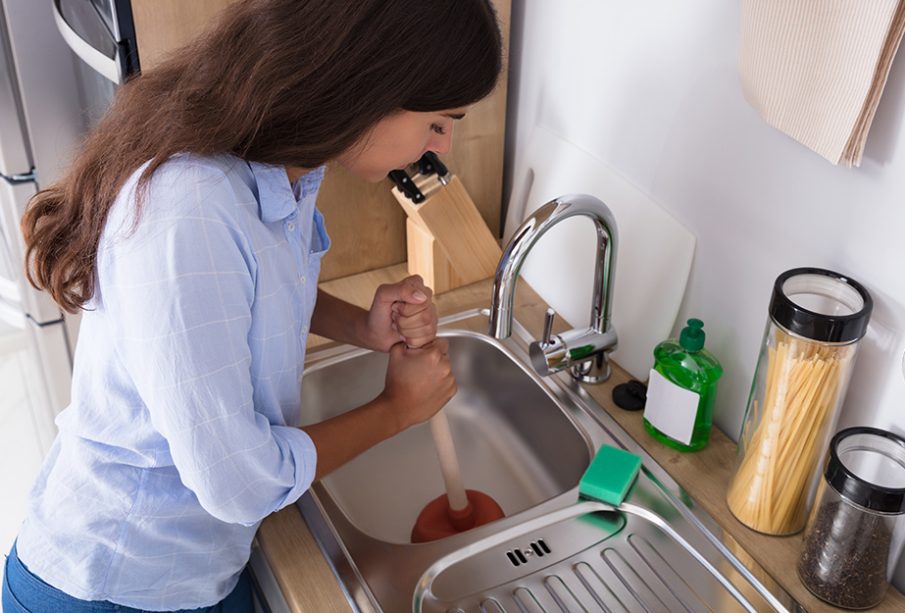
Slow or completely blocked drains are among the most frequent household plumbing complaints.
Typical culprits are:
-
Hair and soap buildup in bathroom drains
-
Grease and food particles in kitchen sinks
-
Foreign objects flushed down toilets
Chemical drain cleaners can offer temporary relief, but repeated use may damage pipes. Simple habits—like using drain screens and avoiding grease disposal—go a long way in preventing recurring clogs.
Running Toilets
A toilet that keeps running after flushing wastes a surprising amount of water and often goes unnoticed.
Why it happens:
-
Faulty flapper valves
-
Misaligned or worn float mechanisms
-
Cracked overflow tubes
Most running toilet issues are inexpensive to fix, yet ignoring them can significantly increase water bills month after month.
Low Water Pressure
Weak water flow can make everyday tasks frustrating, from showering to washing dishes.
Possible reasons include:
-
Mineral buildup inside pipes or fixtures
-
Hidden leaks within the plumbing system
-
Problems with the main water supply or pressure regulator
Low pressure may start as a minor inconvenience but can signal deeper issues that deserve attention.
Water Heater Problems
When hot water becomes unreliable, the water heater is often to blame.
Common warning signs:
-
Inconsistent water temperature
-
Rust-colored water
-
Puddles or moisture around the unit
Sediment buildup, aging components, or failing valves can shorten the lifespan of a water heater if left unchecked. Routine maintenance helps avoid sudden breakdowns.
Burst or Leaking Pipes
Pipe leaks range from slow drips to sudden bursts that cause serious water damage.
Risk factors include:
-
Freezing temperatures
-
Corrosion in older pipes
-
Excessive water pressure
Even small leaks can weaken walls, floors, and foundations over time. Early detection is key to preventing costly repairs.
Why Early Detection Matters
Catching plumbing problems early can:
-
Reduce repair costs
-
Prevent structural damage
-
Lower water and energy bills
-
Extend the life of your plumbing system
Regular inspections and quick responses to unusual sounds, smells, or water behavior make a noticeable difference.
Frequently Asked Questions (FAQs)
How can I tell if I have a hidden plumbing leak?
Unexplained increases in water bills, damp spots on walls or floors, and the sound of running water when fixtures are off are common indicators.
Are slow drains always caused by clogs?
Not always. Slow drainage can also result from pipe damage, improper venting, or buildup deep within the plumbing system.
Is it safe to use chemical drain cleaners regularly?
Occasional use may be fine, but frequent use can corrode pipes and worsen long-term plumbing issues.
How often should plumbing be inspected in a home?
A general inspection every one to two years is recommended, especially in older homes.
Can low water pressure affect appliances?
Yes. Dishwashers, washing machines, and water heaters may perform poorly or wear out faster with inadequate pressure.
What should I do immediately if a pipe bursts?
Shut off the main water supply right away and contact a plumbing professional to minimize damage.
Do plumbing problems increase home maintenance costs over time?
Yes. Small unresolved issues often lead to larger repairs, higher utility bills, and potential property damage.