How Lighting Transforms Interior Design Spaces
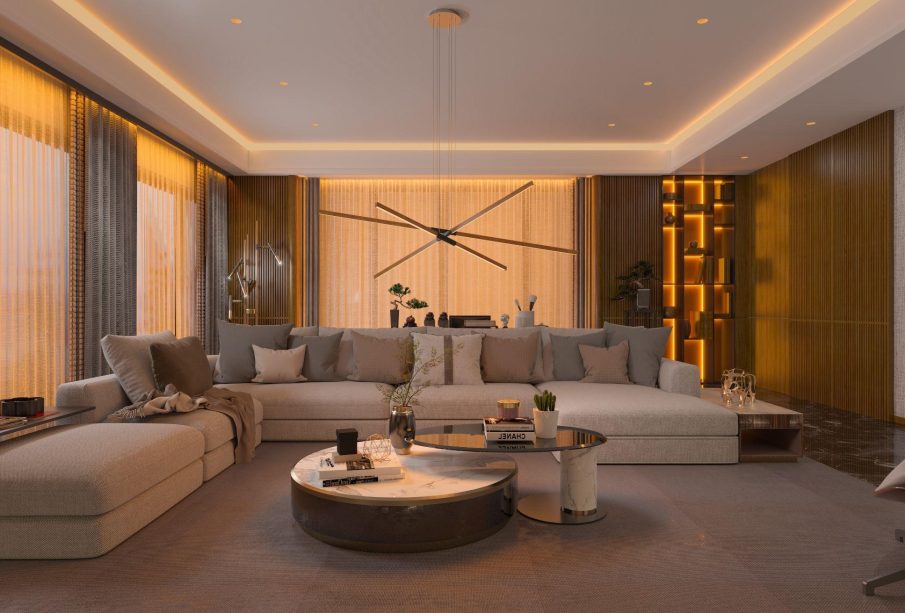
Lighting is one of the most powerful yet underestimated elements in interior design. Beyond simple visibility, it shapes how a space feels, functions, and connects emotionally with the people who use it. Thoughtfully planned lighting can elevate even the simplest room, while poor lighting can undermine the most expensive design choices.
The Psychological Impact of Lighting in Interiors
Light directly affects mood, perception, and comfort. Bright, cool-toned lighting can increase alertness, while warm, diffused lighting promotes relaxation and intimacy. Designers often use lighting to subconsciously guide how occupants feel within a space.
Key psychological effects include:
-
Warm lighting creates a sense of coziness and calm
-
Cool lighting enhances focus and productivity
-
Balanced lighting reduces visual fatigue and stress
By understanding these effects, designers can align lighting choices with the purpose of each room.
Types of Lighting and Their Design Roles
Successful interior spaces rarely rely on a single light source. Instead, they use layered lighting to add depth and flexibility.
Ambient Lighting: The Foundation
Ambient lighting provides overall illumination and sets the baseline brightness of a room. It often comes from ceiling-mounted fixtures, recessed lights, or large pendant lights.
Why it matters:
-
Establishes overall visibility
-
Defines the room’s general atmosphere
-
Acts as a base layer for other lighting types
Task Lighting: Function Meets Precision
Task lighting focuses on specific activities such as reading, cooking, or working. Examples include desk lamps, under-cabinet kitchen lights, and vanity lighting.
Benefits of task lighting:
-
Improves functionality
-
Reduces eye strain
-
Enhances safety in work areas
Accent Lighting: Visual Interest and Drama
Accent lighting highlights architectural features, artwork, textures, or focal points. It adds personality and depth to an interior.
Common accent lighting techniques:
-
Wall washers and spotlights
-
LED strips for shelves and niches
-
Picture lights for artwork
How Lighting Shapes Space and Proportion
Lighting can visually alter the size and shape of a room. Strategic placement can make small rooms feel larger or add warmth to oversized spaces.
Design tricks using light:
-
Uplighting makes ceilings appear higher
-
Wall lighting expands narrow rooms
-
Soft shadows add dimension and richness
Through light and shadow, designers manipulate perception without changing physical structure.
Color Temperature and Material Interaction
Light interacts differently with colors, textures, and materials. A wall color can look entirely different under warm versus cool lighting.
Important considerations:
-
Warm light enhances wood, earth tones, and fabrics
-
Cool light complements metals, glass, and modern finishes
-
Matte surfaces absorb light, while glossy surfaces reflect it
Designers often test lighting with finishes before finalizing choices to ensure consistency.
Lighting as a Tool for Zoning Open Spaces
In open-plan interiors, lighting helps define zones without physical barriers. Different lighting styles can separate dining, living, and working areas within the same space.
Examples of zoning with lighting:
-
Pendant lights over dining tables
-
Floor lamps in lounge areas
-
Directional lighting in workspaces
This approach maintains openness while improving usability.
Energy Efficiency and Smart Lighting Integration
Modern lighting design balances aesthetics with sustainability. Energy-efficient LEDs and smart lighting systems are now central to interior planning.
Advantages of modern lighting solutions:
-
Lower energy consumption
-
Adjustable brightness and color
-
Automated schedules for convenience
Smart lighting allows users to adapt spaces throughout the day, enhancing both comfort and efficiency.
Conclusion
Lighting is not an accessory—it is a core design element that transforms interiors at both functional and emotional levels. When thoughtfully planned, lighting enhances architecture, supports daily activities, and creates memorable environments. Whether subtle or dramatic, the right lighting brings interior design to life.
Frequently Asked Questions (FAQs)
How does lighting influence the mood of a room?
Lighting affects mood through brightness, color temperature, and contrast. Warm, soft lighting tends to relax, while bright, cool lighting energizes.
What is layered lighting in interior design?
Layered lighting combines ambient, task, and accent lighting to create depth, flexibility, and visual interest within a space.
Can lighting make a small room look bigger?
Yes, techniques like wall lighting, uplighting, and even light distribution can visually expand small spaces.
Why is color temperature important in lighting design?
Color temperature influences how colors and materials appear and affects the emotional tone of a room.
How does lighting support open-plan layouts?
Lighting helps define functional zones within open spaces without using walls or partitions.
Are LED lights suitable for all interior spaces?
LED lights are versatile, energy-efficient, and suitable for most spaces when chosen with the correct brightness and color temperature.
How often should interior lighting be updated?
Lighting should be reviewed when redesigning a space or when outdated fixtures no longer meet functional or efficiency needs.