We Tried Care at Home Instead of a Care Home – The Difference Was Clear
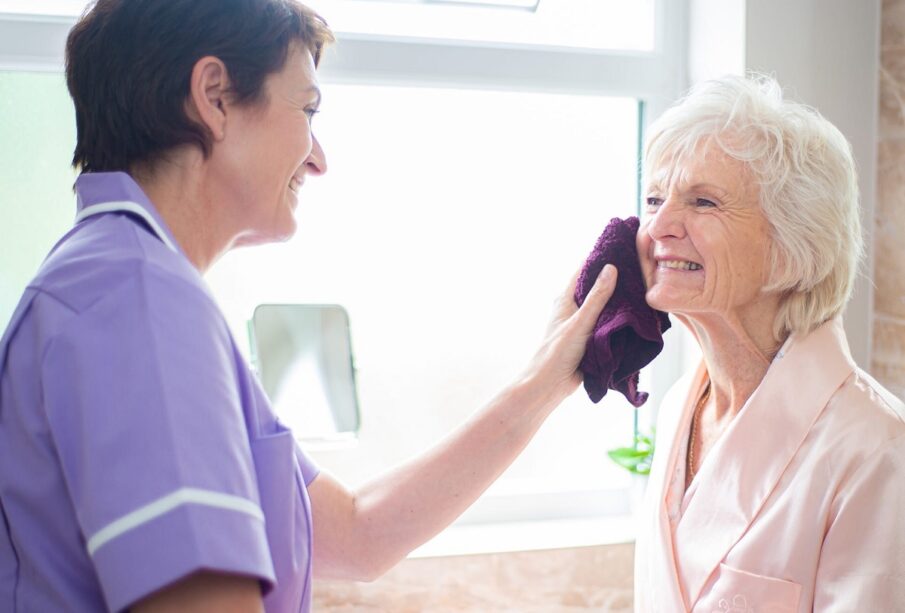
Choosing the right care for a loved one is a deeply personal and sometimes challenging decision. With options ranging from care homes to personalised support at home, families want the best for those they care about. Recently, a growing number of people have been turning to care at home services instead of moving their relatives into care homes. After trying care at home firsthand, the difference quickly became clear — and overwhelmingly positive.
This article explores the unique benefits of care at home, how it compares with traditional care homes, and why many families are opting to keep their loved ones in the comfort of their own homes.
What Is Care at Home and How Does It Work?
Care at home involves professional caregivers providing tailored support to individuals in their own residences. Unlike care homes where residents live alongside many others, care at home enables people to maintain independence and familiarity while receiving assistance with daily activities.
Typical care at home services include:
- Personal care such as bathing, dressing, and medication reminders
- Meal preparation and dietary support
- Household chores like cleaning and laundry
- Companionship and emotional support
- Help with mobility and exercises
These services are customised to each individual’s needs, often with flexible schedules that adapt to changing requirements.
The personal, one-on-one nature of care at home is a major factor in its rising popularity.
The Clear Benefits of Care at Home Over Care Homes
Our experience comparing care at home with care home living revealed several significant advantages:
Comfort and Familiarity
Remaining in a familiar environment can greatly improve well-being. At home, people are surrounded by their own belongings, memories, and routines. This reduces stress and confusion often associated with moving to an unfamiliar care home.
Personalised Attention
Care at home delivers dedicated support tailored to individual preferences. Caregivers build meaningful relationships, understanding not just physical needs but emotional nuances as well. This personalised connection is often harder to achieve in larger care homes.
Flexibility and Independence
At home, individuals retain greater control over their day-to-day lives — choosing when to eat, sleep, or engage in hobbies. Care at home supports independence rather than imposing rigid schedules typical of care home environments.
Family Involvement
Care at home encourages families to stay actively involved in caregiving and decision-making. Visits, celebrations, and daily routines remain shared experiences, strengthening bonds and reducing feelings of isolation.
Cost-Effectiveness
While costs vary, care at home can often be more affordable, especially when compared with long-term care home stays. The flexibility to increase or decrease support as needed also helps manage expenses.
Common Questions About Care at Home
Many families have questions when considering care at home. Here are answers to some frequently asked queries:
- Is care at home safe and professional? Yes. Providers employ trained and vetted carers who deliver high-quality, regulated support.
- Can care at home meet complex medical needs? Care plans are personalised and can include support for chronic conditions, dementia, or post-hospital care.
- How is the care scheduled? Care hours are flexible, ranging from a few hours a day to 24-hour live-in support if necessary.
- What happens in emergencies? Carers are trained to respond to emergencies and can coordinate with medical services promptly.
- How do families stay informed? Many providers offer regular updates and communication channels to keep families in the loop.
Understanding these aspects helps families feel confident when choosing care at home.
Tips for Choosing the Right Care at Home Provider
Selecting a reliable care at home service is crucial. Consider these tips:
- Check Credentials: Choose providers regulated by the Care Quality Commission (CQC) or equivalent bodies.
- Read Reviews: Look for positive testimonials about professionalism, reliability, and compassion.
- Assess Customisation: Ensure care plans are tailored, with flexibility to adjust as needs change.
- Meet the Carers: Arrange to meet the team who will provide care to build trust and rapport.
- Clarify Costs: Understand all fees upfront to avoid surprises.
- Explore Additional Services: Some providers offer companionship, social activities, or transport support.
Doing thorough research empowers families to make informed decisions.
Why More Families Are Choosing Care at Home
The rising preference for care at home reflects shifting attitudes towards ageing and care. People want to maintain dignity, independence, and quality of life for as long as possible. Care at home aligns perfectly with these values.
Our experience shows that, beyond practical support, care at home offers emotional reassurance and peace of mind for the whole family.
Experience the Personal Touch of Care at Home
If you’re considering options for yourself or a loved one, exploring care at home could be transformative. Staying in familiar surroundings while receiving personalised care is a choice that enhances comfort, independence, and happiness.
For trusted, compassionate care services tailored to your needs, visit Care at Home Newcastle Under Lyme and discover how professional home care can make all the difference.
Take the first step towards better care today — because feeling at home matters most.